Introduction
Ever walked into a room that almost felt right—but something was off? Too dark in the corners, harsh light over the sofa, or awkward shadows that make the space feel smaller than it is. Lighting mistakes are subtle, but they’re powerful. And once holes are cut in the ceiling, they’re expensive to fix.
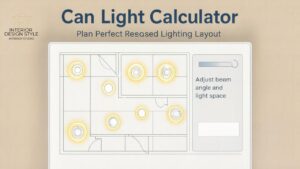
That’s where a recessed lighting layout calculator becomes a quiet lifesaver. Instead of guessing where lights should go or copying a random Pinterest layout, you can plan lighting that actually fits your room’s size, purpose, and ceiling height.
In reality, good lighting isn’t about more fixtures—it’s about smarter placement. Whether you’re renovating a kitchen, finishing a basement, or building from scratch, understanding how to calculate recessed lighting layouts can save time, money, and a lot of frustration.


Table of Contents
How Recessed Lighting Really Works
What Is a Recessed Lighting Layout Calculator
Why Guessing Light Placement Usually Fails
Core Factors a Recessed Lighting Layout Calculator Uses
Recessed Lighting Layout Calculator by Room Type
Step-by-Step: How to Use a Recessed Lighting Layout Calculator
Common Recessed Lighting Layout Mistakes to Avoid
LED, Lumens, and Beam Angles Explained
Professional Lighting Designers: Background, Career, and Earnings
Advanced Tips for Perfect Recessed Lighting Layouts
FAQ
Conclusion
How Recessed Lighting Really Works
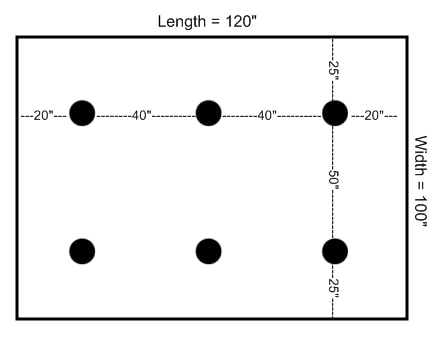
Recessed lights—often called can lights or downlights—sit flush with the ceiling and spread light downward in a controlled beam. Unlike pendants or chandeliers, they don’t draw attention to themselves. Instead, they shape how the room feels.
The trick is balance. Too few lights create dark zones. Too many create glare and visual noise. Spacing, beam angle, ceiling height, and room function all matter more than most people expect.
This is why professionals rely on calculations instead of instincts. Human eyes adapt quickly, but poorly planned lighting shows up at night—when you’re tired, squinting, and wondering why the room suddenly feels uncomfortable.
What Is a Recessed Lighting Layout Calculator
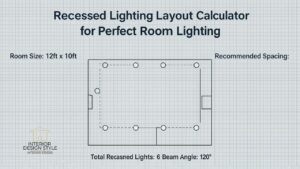
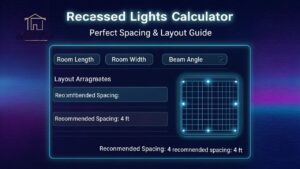
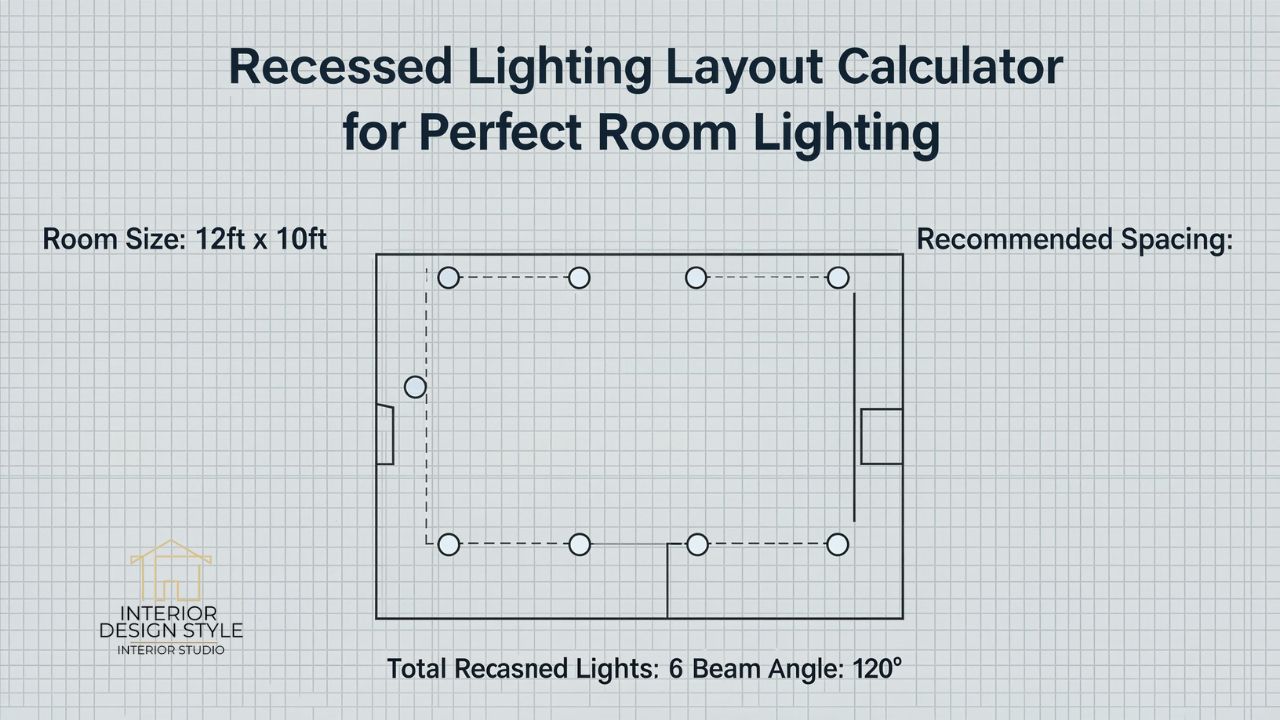
A recessed lighting layout calculator is a planning tool that determines:
- How many recessed lights you need
- Where each light should be placed
- Optimal spacing between fixtures
- Recommended lumens per light
It uses room dimensions, ceiling height, and lighting goals to remove guesswork. Instead of “about four feet apart,” you get precise spacing that works in real life.
<strong>recessed lighting layout calculator</strong> tools are especially helpful for DIY homeowners who want professional-level results without hiring a full lighting consultant.
Why Guessing Light Placement Usually Fails
At first glance, recessed lighting looks simple. Measure the room, divide evenly, install lights. Done.
However, that approach ignores how light actually behaves.
Here’s what guessing often leads to:
- Bright centers with dark walls
- Shadows over countertops or desks
- Uneven lighting that makes rooms feel smaller
- Excessive wattage to compensate for bad placement
On the other hand, calculated layouts distribute light evenly, highlight key areas, and reduce energy use. That’s not theory—it’s physics and optics working together.
Core Factors a Recessed Lighting Layout Calculator Uses
Room Size and Shape
Square rooms behave differently than long, narrow spaces. A calculator adjusts spacing so light reaches edges without overlap or gaps.
Ceiling Height
Higher ceilings require wider spacing and higher lumen output. A standard 8-foot ceiling needs a very different layout than a 12-foot vaulted ceiling.
Light Beam Angle
Narrow beams focus light; wide beams spread it. Calculators account for this to prevent hot spots or dim zones.
Room Function
- Kitchens need task-focused brightness
- Living rooms need ambient balance
- Bathrooms require shadow-free illumination
Fixture Type
LED recessed lights vary widely in output. A calculator helps match fixture specs to real room needs.
Recessed Lighting Layout Calculator by Room Type
Kitchen Lighting Layout
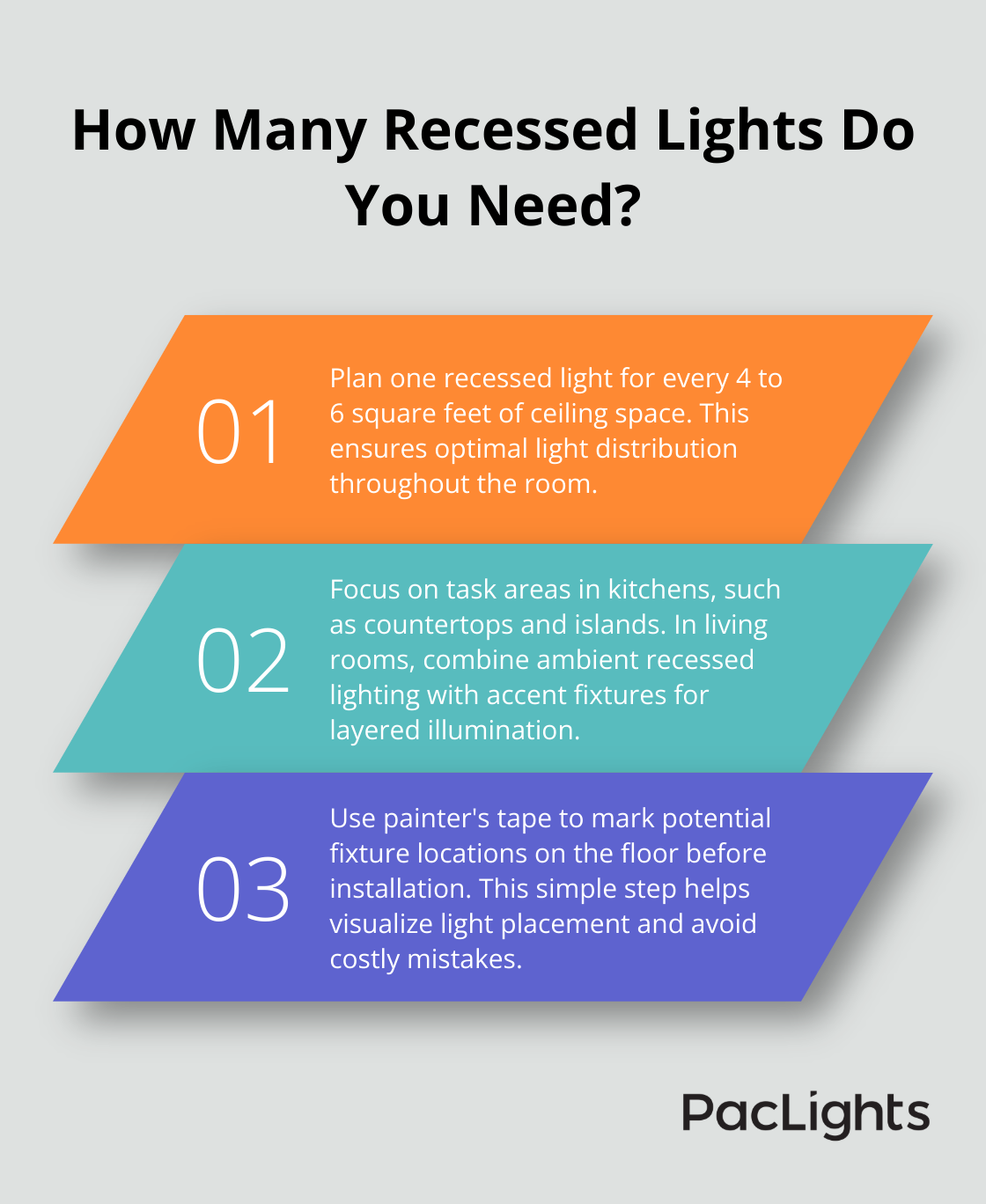
Kitchens need layered lighting. A calculator helps position recessed lights:
- Over work zones
- Evenly across walking areas
- Away from cabinet edges to prevent shadows
Living Room Layout
Living rooms benefit from softer, evenly spaced lighting. Calculators reduce glare on TVs and avoid spotlight effects over seating areas.
Bedroom Layout
Bedrooms require calm, indirect illumination. Calculators recommend wider spacing and lower lumen levels for comfort.
Bathroom Layout
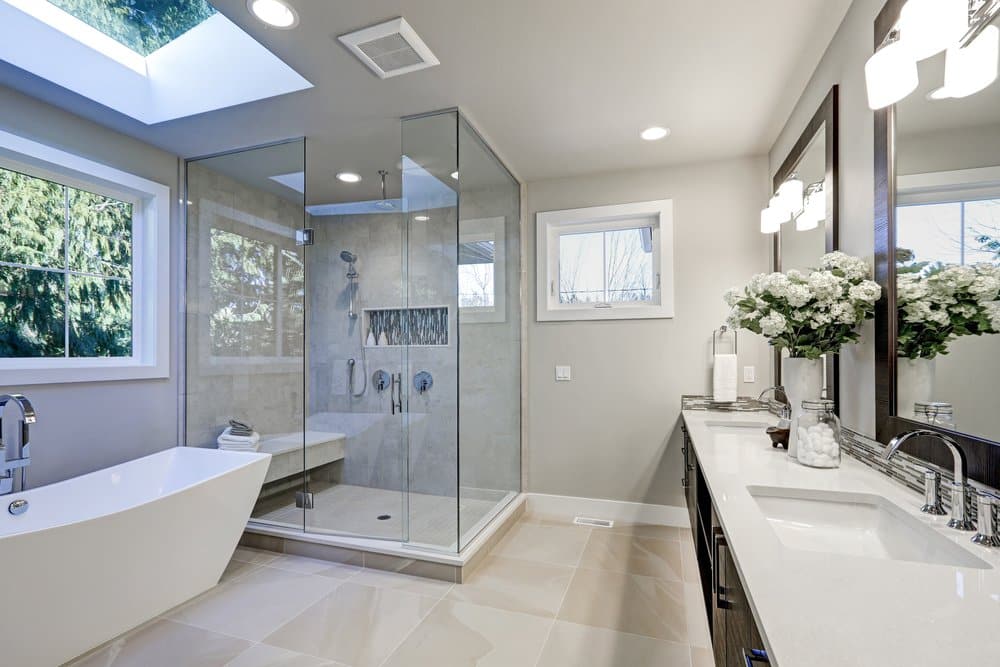
Here precision matters most. Calculated spacing prevents shadows on faces and ensures safe, even lighting around mirrors and showers.


Step-by-Step: How to Use a Recessed Lighting Layout Calculator
Step 1: Measure Your Room
Record length, width, and ceiling height accurately. Even small errors affect spacing.
Step 2: Define the Purpose
Decide whether the lighting is:
- Ambient
- Task-focused
- Accent-based
Step 3: Choose Fixture Specs
Input:
- Lumens per fixture
- Beam angle
- Color temperature (Kelvin)
Step 4: Review Spacing Output
The calculator will suggest:
- Number of lights
- Distance from walls
- Distance between fixtures
Step 5: Adjust for Real-World Obstacles
Move fixtures slightly to avoid joists, vents, or ceiling fans—without breaking spacing rules.
Common Recessed Lighting Layout Mistakes to Avoid
- Placing lights too close to walls
- Ignoring furniture placement
- Mixing different color temperatures
- Overlighting small rooms
- Relying only on wattage instead of lumens
Ironically, many of these mistakes come from copying layouts that worked in someone else’s house—but not yours.
LED, Lumens, and Beam Angles Explained
Lumens (Not Watts)
Lumens measure brightness. Modern calculators use lumens per square foot to determine how much light a room actually needs.
Beam Angle
- 40°–60°: focused task lighting
- 90°–120°: wide ambient coverage
Color Temperature
- 2700K–3000K: warm, cozy spaces
- 3500K–4000K: kitchens and bathrooms
- 5000K+: task-heavy or commercial areas
A recessed lighting layout calculator balances all three to create comfortable, functional light.
Professional Lighting Designers: Background, Career, and Earnings
Lighting designers don’t just “pick lights.” Most study interior design, architecture, or electrical engineering, then specialize in illumination science. Many work alongside architects and contractors to design lighting that enhances mood, safety, and energy efficiency.
Career-wise, experienced lighting designers often work on:
- Residential renovations
- Commercial offices
- Hospitality projects
- Retail environments
In financial terms, professional lighting designers can earn solid incomes. In many markets, experienced designers earn mid-to-high five figures annually, with top consultants and commercial specialists earning significantly more—especially on large projects.
Their secret? They rely on calculations, not instincts.
Advanced Tips for Perfect Recessed Lighting Layouts
- Combine recessed lights with wall sconces for depth
- Use dimmers to fine-tune brightness
- Align fixtures with architectural features
- Plan lighting after furniture layout, not before
- Use a recessed lighting layout calculator early—before drywall
One overlooked tip: fewer lights, properly placed, almost always look better than more lights placed randomly.
FAQ
How accurate is a recessed lighting layout calculator?
Very accurate when room dimensions and fixture specs are entered correctly. It mirrors professional lighting formulas.
Can I use a recessed lighting layout calculator for vaulted ceilings?
Yes, but you’ll need to input the highest ceiling point and adjust spacing manually near slopes.
How many recessed lights do I need per square foot?
Typically 1 light per 25–40 square feet, depending on lumens and room function.
Do calculators work for LED recessed lights?
Absolutely. Most modern calculators are designed specifically for LED fixtures.
Is recessed lighting enough on its own?
Sometimes. However, layered lighting usually looks and functions better.
What spacing do professionals usually follow?
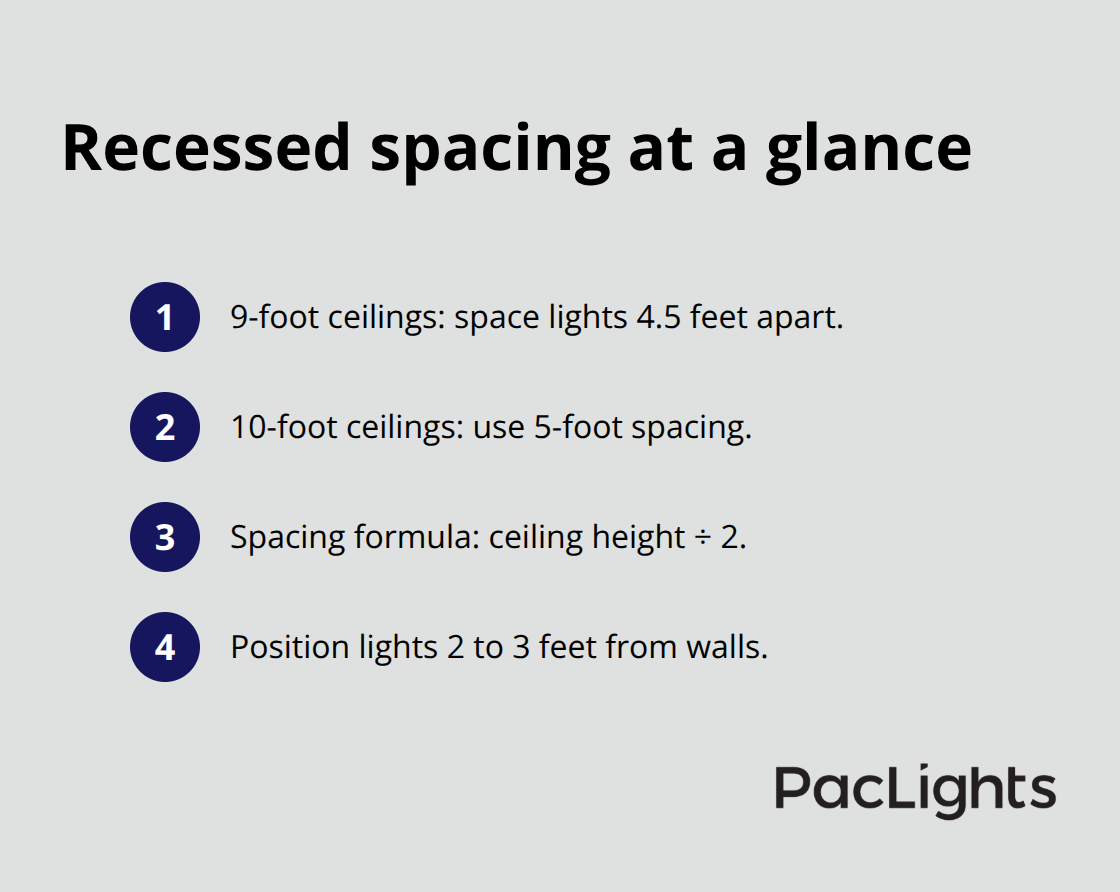
A common rule is half the ceiling height for spacing, but calculators refine this further.
Can I overuse recessed lighting?
Yes. Too many fixtures create glare and flatten the room’s visual depth.
Are free recessed lighting layout calculators reliable?
Many are, as long as they account for lumens, beam angle, and ceiling height—not just room size.
Conclusion
Lighting shapes how we experience a space more than almost any other design choice. When recessed lights are placed correctly, rooms feel balanced, welcoming, and effortless. When they’re not, something always feels off—even if you can’t explain why.
Using a recessed lighting layout calculator replaces guesswork with clarity. It helps you plan smarter, avoid costly mistakes, and achieve lighting that actually works for how you live. If there’s one step worth slowing down for in any renovation, this is it.