Introduction
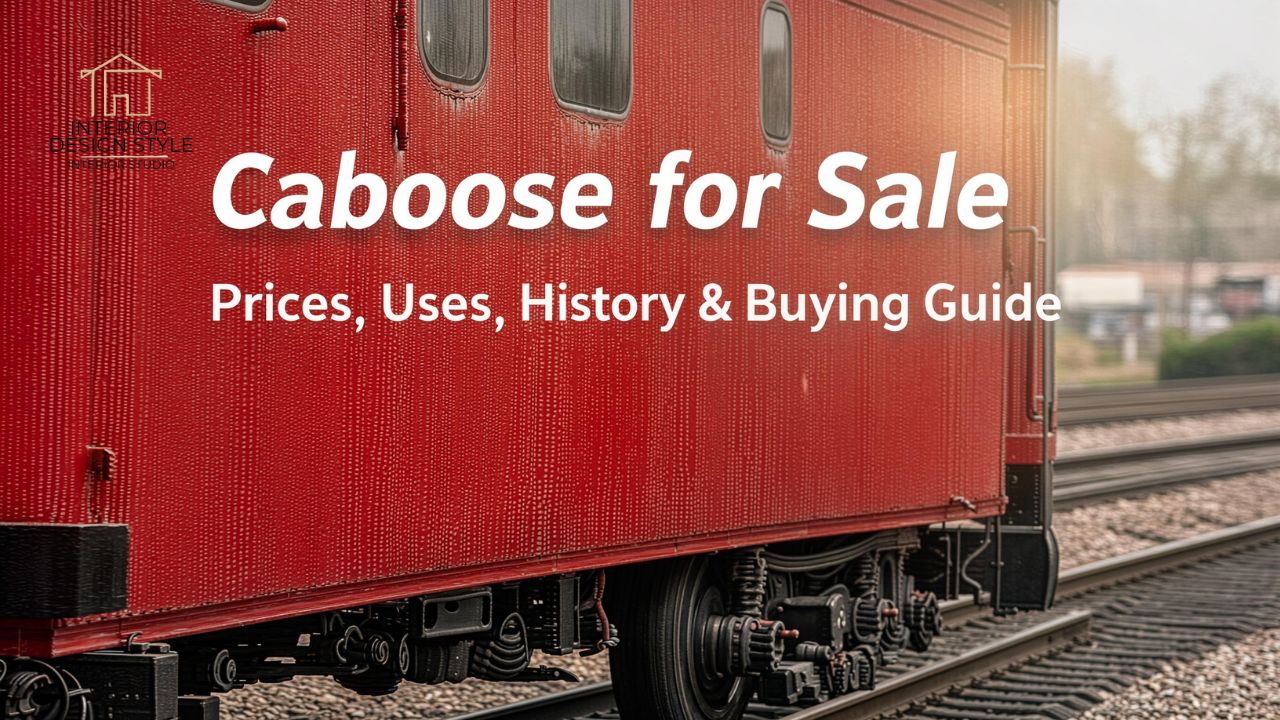
There’s something deeply nostalgic about seeing a bright red caboose rolling behind a freight train. For many people, the moment they search for a caboose for sale, it’s not just about buying old rail equipment—it’s about owning a piece of living history.
In reality, cabooses have quietly become one of the most interesting niche assets on the market today. Some buyers want them as backyard showpieces, others turn them into tiny homes, cafés, or Airbnb rentals. A few are serious collectors preserving railroad heritage.
That said, buying a caboose is nothing like buying a car or even a house. There are legal rules, transportation challenges, restoration costs, and zoning concerns that most first-time buyers don’t expect. This guide breaks everything down clearly, honestly, and without hype.
What Is a Caboose and Why People Buy One
A caboose is a crew car traditionally attached to the end of a freight train. It served as a mobile office and living space for railroad workers, allowing them to monitor the train, manage paperwork, and stay warm during long hauls.
Today, people buy cabooses for very different reasons. Some are drawn by nostalgia. Others see opportunity—unique real estate, branding power, or tourism appeal. A caboose for sale often attracts buyers who value uniqueness over convenience.
Common reasons people buy cabooses include:
- Historical preservation
- Backyard display or private collection
- Conversion into guest houses or offices
- Restaurants, cafés, or retail spaces
- Short-term rentals and tourism projects
After two paragraphs
[Image: classic red caboose on display at a rail museum]
Why Cabooses Are No Longer Used on Railroads
Understanding why cabooses disappeared helps explain why they’re now available for private purchase. In the late 20th century, technology replaced human observation.
Electronic End-of-Train Devices (EOTs) allowed engineers to monitor brake pressure and movement remotely. Rail companies quickly phased out cabooses to reduce labor and operating costs.
By the early 1990s, most major railroads had retired them entirely. Thousands were scrapped, but many survived—sold to museums, municipalities, and private buyers. That surplus created the modern market for cabooses.
Caboose for Sale: Types You’ll Find on the Market
Not all cabooses are the same. Knowing the differences helps buyers avoid surprises.
Steel Cupola Cabooses
These are the most iconic designs, featuring a raised observation cupola on the roof. They’re heavy, durable, and common on the resale market.
Bay Window Cabooses
Instead of a cupola, these have side-mounted observation windows. They’re often easier to convert into living spaces due to ceiling height.
Wooden Cabooses
Rare and highly collectible. These usually require extensive restoration and are best suited for museums or serious collectors.
Extended-Vision Cabooses
Larger windows and improved visibility made these popular in later years. They’re among the most expensive options when a caboose for sale appears.
Average Caboose Prices and What Affects Cost
Prices vary more than most people expect. There is no single “market price” for a caboose.
Typical price ranges:
- Unrestored caboose: $10,000–$25,000
- Partially restored: $25,000–$50,000
- Fully restored or converted: $60,000–$100,000+
Key factors that affect pricing:
- Structural condition
- Steel vs wood construction
- Interior completeness
- Historical significance
- Transportation distance
- Included rail trucks or wheels
In reality, transportation often costs as much as the caboose itself, which surprises many first-time buyers.
Where to Find a Caboose for Sale Today
Finding a legitimate caboose for sale requires patience. These aren’t listed on typical real estate platforms.
Common sources include:
- Railroad museums and historical societies
- Industrial rail equipment brokers
- Government surplus auctions
- Private collectors downsizing
- Specialty rail preservation websites
Buyers should always request detailed photos, measurements, and ownership documentation before committing.
After two paragraphs
[Infographic: caboose buying process from search to delivery]
Legal, Zoning, and Transportation Considerations
This is where many deals fall apart. Buying the caboose is often the easy part.
Transportation Challenges
Cabooses cannot be moved on active rail lines without special permission. Most are transported by:
- Heavy-duty flatbed trucks
- Crane loading and unloading
- Specialized rail equipment movers
Transportation costs can range from $5,000 to over $30,000 depending on distance and permits.
Zoning and Placement
Local zoning laws may restrict:
- Residential use
- Commercial use
- Permanent placement
- Utility hookups
Before purchasing, buyers should confirm zoning approval for their intended use.
Restoration Costs and Real-World Challenges
Restoring a caboose is rewarding—but rarely cheap.
Common restoration expenses include:
- Rust removal and steel repair
- Insulation and climate control
- Electrical rewiring
- Plumbing installation
- Interior carpentry
- Exterior repainting
Many owners underestimate timelines. What seems like a “six-month project” often stretches into years. That said, restored cabooses tend to retain value better than most novelty structures.
Creative Uses for a Caboose
This is where cabooses truly shine.
Popular modern uses:
- Airbnb or short-term rentals
- Coffee shops or ice cream stands
- Home offices or studios
- Educational exhibits
- Themed retail stores
A well-placed caboose attracts attention instantly. For businesses, that visibility alone can justify the investment.
When marketed properly, a converted caboose for sale can outperform traditional small structures in foot traffic and brand recognition.
Investment Value and Long-Term Worth
Are cabooses good investments? It depends on intent.
From a pure resale standpoint, cabooses appreciate slowly but steadily, especially restored units. From a business standpoint, ROI can be strong if used creatively.
Factors that support long-term value:
- Limited supply
- Historical appeal
- Rising interest in alternative spaces
- Tourism-driven experiences
However, they are not liquid assets. Selling takes time, and buyers are niche.
Industry Background and Market Insights
Cabooses don’t have a “personal background,” but the industry around them tells a clear story. Most surviving cabooses were built between the 1920s and 1970s by major rail manufacturers.
Rail preservation groups estimate fewer than 5,000 cabooses remain in restorable condition worldwide. That scarcity drives value, particularly for identifiable railroad markings.
Financially, restored cabooses used for rentals often generate $100–$250 per night depending on location. Over time, some owners recoup full purchase and restoration costs through tourism alone.
Frequently Asked Questions
Is it legal to buy a caboose?
Yes, private ownership is legal in most regions, but placement and use depend on local zoning laws.
How much does a caboose weigh?
Most steel cabooses weigh between 20 and 30 tons, which directly affects transportation costs.
Can I live in a caboose full-time?
In some areas, yes—but only if zoning, utilities, and safety codes are met.
Do cabooses come with wheels?
Some do, some don’t. Missing rail trucks can significantly reduce value.
How long does restoration take?
Anywhere from six months to three years, depending on scope and budget.
Are cabooses insulated?
Most were not originally insulated well and require upgrades for modern use.
Is financing available?
Rarely. Most purchases are cash or private arrangements.
What’s the biggest mistake buyers make?
Underestimating transportation and zoning challenges.
Conclusion
Buying a caboose isn’t about convenience—it’s about character, history, and imagination. For the right buyer, a caboose for sale represents far more than old steel on wheels. It’s a conversation starter, a business asset, or a deeply personal preservation project.
When approached with realistic expectations, proper planning, and a clear purpose, owning a caboose can be both emotionally rewarding and financially sensible. The key is knowing exactly what you’re getting into before the first dollar is spent.