Introduction
At first glance, tiny homes feel like freedom—lower costs, fewer bills, and a simpler way of living. But many people discover too late that tiny home regulations can be far more complicated than expected. The dream doesn’t usually fail because of the house itself; it fails because of the rules around where and how that house is allowed to exist.
If you’ve ever asked, “Can I legally live in a tiny home?” you’re not alone. In reality, regulations vary wildly depending on location, zoning, and whether your tiny home is on wheels or a permanent foundation. What’s legal in one town might be completely prohibited just a few miles away.
That’s why understanding tiny home regulations before you buy land, build, or move is not optional—it’s essential. This guide breaks everything down clearly, honestly, and without legal jargon, so you can make smart decisions with confidence.

Table of Contents
What Are Tiny Home Regulations?
Why Tiny Home Regulations Exist
Tiny Homes on Wheels vs Foundation-Based Tiny Homes
Zoning Laws That Affect Tiny Homes
Building Codes and Minimum Size Requirements
Utility, Septic, and Off-Grid Rules
Where Tiny Homes Are Legal
Buying Land for a Tiny Home
Tiny Home Communities and ADUs
Common Legal Mistakes Tiny Home Owners Make
Personal Background: The Rise of the Tiny Home Movement
FAQs About Tiny Home Regulations
Conclusion
What Are Tiny Home Regulations?
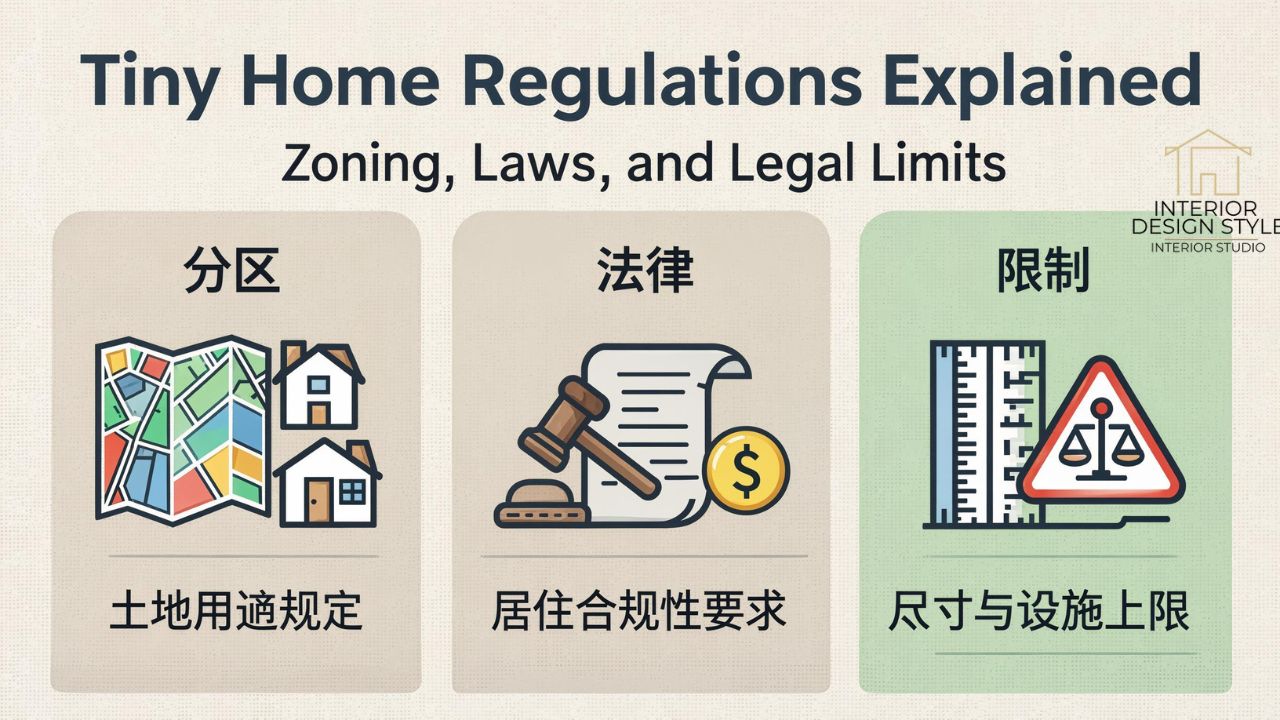
Tiny home regulations are the collection of zoning laws, building codes, housing ordinances, and safety standards that determine whether a tiny home can be legally built, placed, or lived in. These rules exist at multiple levels—city, county, and state—and they often overlap in confusing ways.
At their core, these regulations answer questions like:
- Where can a tiny home be located?
- How big must a dwelling legally be?
- Can a tiny home be used as a primary residence?
- What utilities and safety systems are required?
The challenge is that tiny home regulations were not originally designed with tiny living in mind. Most housing laws were written decades ago, assuming traditional single-family homes with large square footage.
Why Tiny Home Regulations Exist

It’s easy to assume regulations exist simply to make life harder, but the reality is more nuanced. Local governments enforce housing rules primarily to protect public health, safety, and infrastructure.
However, tiny homes sit at the crossroads of innovation and outdated law. Regulators worry about:
- Fire safety in smaller spaces
- Waste management and sewage systems
- Long-term residency in structures classified as “temporary”
- Property values and neighborhood consistency
That said, many municipalities are slowly updating their approach as demand grows. In reality, resistance often comes from zoning laws—not from building safety itself.
Tiny Homes on Wheels vs Foundation-Based Tiny Homes
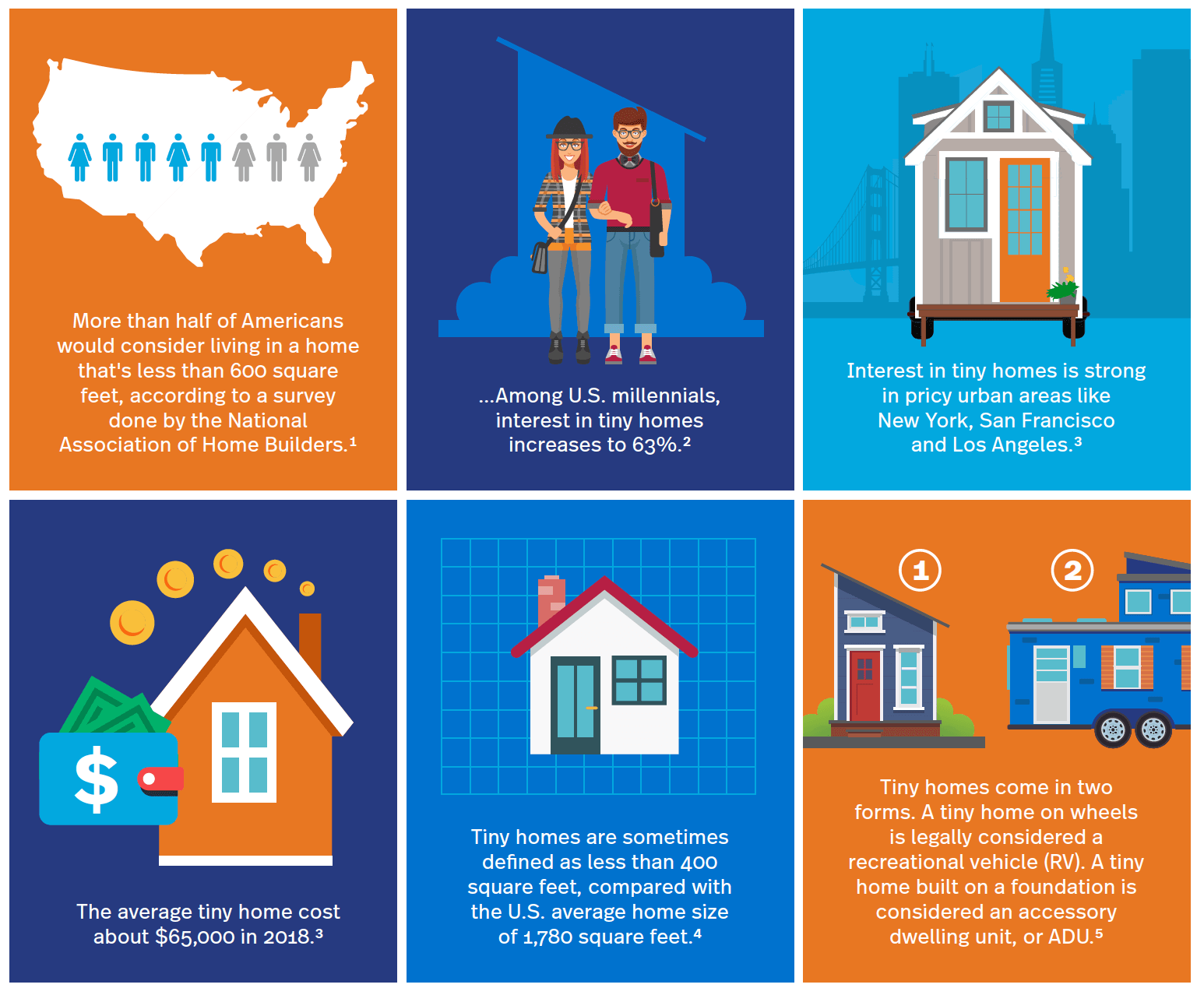
One of the most important distinctions in tiny home regulations is whether the home is mobile or permanently installed.
Tiny Homes on Wheels (THOWs)
Tiny homes on wheels are typically classified as recreational vehicles (RVs), not permanent residences. This classification creates several limitations:
- Often prohibited as full-time housing
- Restricted to RV parks or private land with special permits
- Subject to time limits on occupancy
Even if the structure feels like a real home, the law often disagrees.
Foundation-Based Tiny Homes
Tiny homes built on permanent foundations are more likely to be treated as residential dwellings. This makes them subject to:
- Local building codes
- Minimum square footage rules
- Utility hookup requirements
While foundation-based homes face stricter construction rules, they generally have a clearer legal pathway.
Zoning Laws That Affect Tiny Homes
Zoning laws are often the biggest obstacle. These laws dictate what types of structures are allowed in specific areas—residential, agricultural, mixed-use, or industrial.
Most zoning codes include:
- Minimum dwelling size
- Restrictions on secondary dwellings
- Limits on mobile structures
Some zones allow tiny homes as:
- Accessory dwelling units (ADUs)
- Guest houses
- Caregiver units
Others prohibit them outright, regardless of design quality.
Building Codes and Minimum Size Requirements
Many jurisdictions enforce minimum square footage rules, often between 400 and 1,000 square feet. This directly conflicts with the tiny home philosophy.
However, updates to international residential codes (IRC) now include provisions for smaller dwellings in some areas. These updates focus on:
- Loft safety requirements
- Stair dimensions
- Ceiling height minimums
Understanding how local authorities interpret these codes is critical.
Utility, Septic, and Off-Grid Rules
Utilities are another major factor in tiny home regulations. Even off-grid homes must often meet health and environmental standards.
Common requirements include:
- Approved septic systems
- Potable water access
- Electrical safety inspections
Living off-grid doesn’t always mean avoiding regulation—it often means navigating different ones.
Where Tiny Homes Are Legal
While no country has universally friendly laws, certain regions are more welcoming.
Areas with more flexible regulations often share traits like:
- Rural zoning
- Progressive housing policies
- Housing shortages driving innovation
Some cities have legalized tiny homes specifically to address affordability and homelessness, while others still resist.
Buying Land for a Tiny Home
Buying land doesn’t automatically grant the right to live on it. This is where many first-time buyers make costly mistakes.
Before purchasing land, always verify:
- Zoning classification
- Minimum dwelling requirements
- Utility access rules
- Long-term residency allowances
In reality, land that looks perfect may legally allow nothing more than storage.
Tiny Home Communities and ADUs
Tiny home communities offer a legal workaround in some regions. These developments are zoned specifically for small dwellings and shared infrastructure.
Accessory dwelling units (ADUs) are another growing option. They allow tiny homes as secondary residences on existing properties, often with fewer restrictions.
However, both options still require compliance with local codes.
Common Legal Mistakes Tiny Home Owners Make
Some mistakes appear again and again:
- Assuming rural land equals no regulation
- Buying a tiny home before checking zoning
- Treating RV certification as housing approval
- Ignoring local occupancy rules
Each of these can result in fines, eviction, or forced relocation.
Personal Background: The Rise of the Tiny Home Movement
The modern tiny home movement gained momentum after the 2008 housing crisis, when affordability became a national concern. Builders, designers, and homeowners began questioning whether larger homes actually delivered better lives.
Many early adopters came from construction, design, or environmental backgrounds, pushing sustainability and minimalism into the mainstream. While the movement itself doesn’t have a “net worth,” the tiny home industry has grown into a multi-billion-dollar market globally.
Ironically, legal systems have been slower to adapt than consumers.
FAQs About Tiny Home Regulations
Are tiny homes legal everywhere?
No. Legality depends entirely on local zoning and building laws.
Can I live full-time in a tiny home on wheels?
In most areas, no. Many jurisdictions prohibit full-time residency in RV-classified structures.
What is the minimum size for a legal tiny home?
It varies, but many places require at least 400 square feet.
Are off-grid tiny homes legal?
Sometimes, but utility and health regulations still apply.
Can I put a tiny home in my backyard?
Only if local zoning allows ADUs or secondary dwellings.
Do tiny homes need building permits?
Yes, in almost all cases.
Are tiny home communities legal?
Some are, but they require special zoning approval.
Do tiny homes affect property value?
That depends on location, quality, and community perception.
Can a tiny home be financed?
Financing is limited, especially for homes on wheels.
Will tiny home laws improve in the future?
Trends suggest gradual improvement, but change is slow.
Conclusion
Tiny homes promise simplicity, but tiny home regulations demand preparation. The difference between a smooth tiny living experience and a legal nightmare often comes down to research done before making a move.
Understanding zoning, building codes, and land use laws isn’t exciting—but it’s empowering. When you know the rules, you can design your tiny life around them instead of fighting against them.
Done right, tiny living isn’t just smaller. It’s smarter.