Introduction
Walk into a modern home today and you’ll notice something different. It’s not just about color palettes or furniture placement anymore—it’s about how seamlessly technology blends into the space. This is where decoradtech enters the conversation, reshaping how we think about interiors in a digital-first world.
In simple terms, decoradtech sits at the intersection of decor, innovation, and smart technology. It reflects a growing shift where homes are no longer static environments but adaptive spaces designed around comfort, efficiency, and lifestyle habits. From intelligent lighting to responsive layouts, the idea goes far beyond aesthetics.
What makes this topic truly important is how deeply it affects everyday living. In reality, our homes now double as workspaces, relaxation zones, and social hubs. Decoradtech responds to these demands by offering solutions that feel intuitive rather than intrusive, enhancing life without overwhelming it.

What Is Decoradtech?
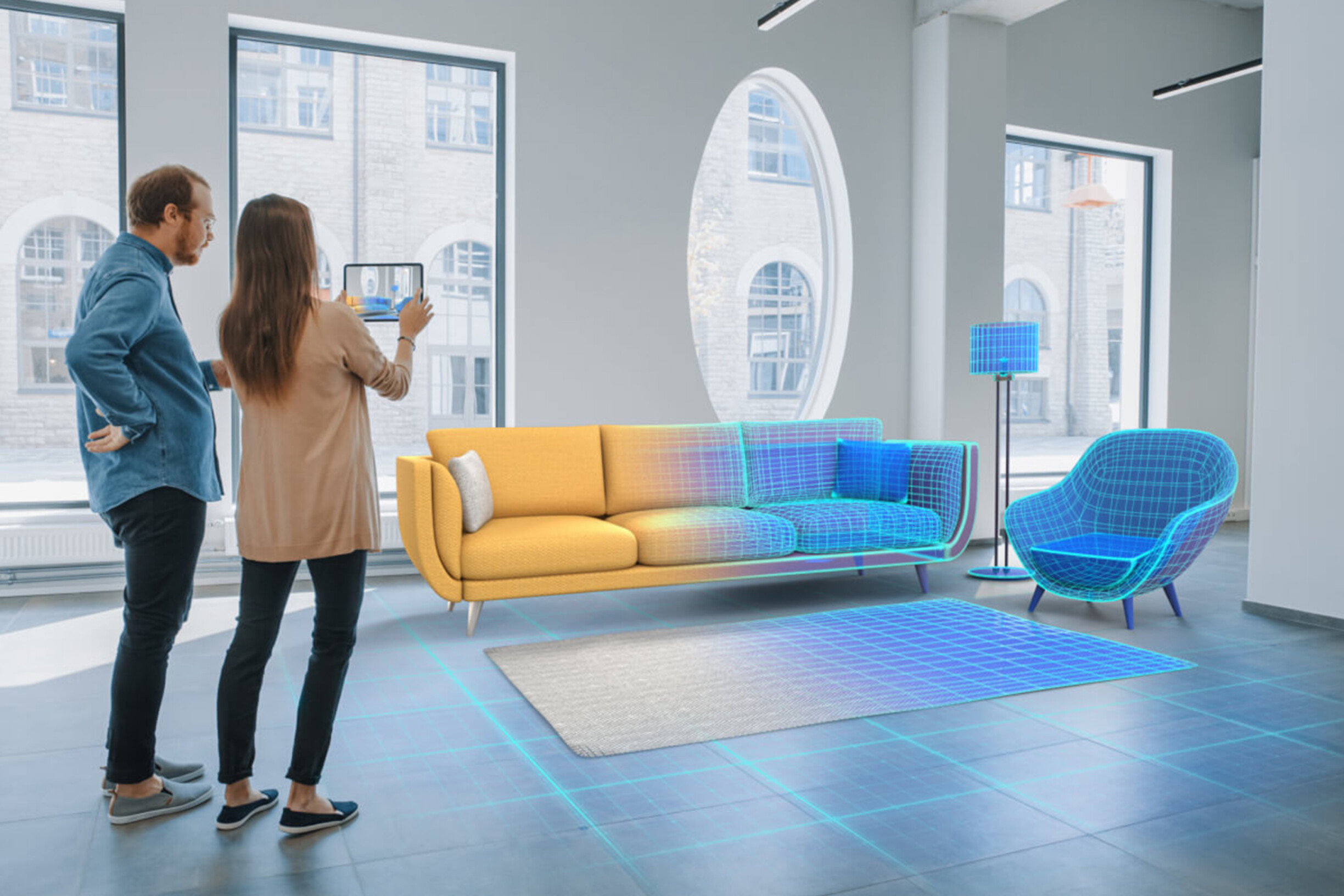
Decoradtech is a modern design philosophy that merges interior decor principles with advanced technology. Rather than treating tech as an add-on, this approach integrates it directly into the design process.
Defining Decoradtech Clearly
At its core, decoradtech focuses on:
- Smart functionality embedded in decor
- Seamless integration of digital systems
- Design decisions guided by user behavior
Unlike traditional smart homes, decoradtech prioritizes visual harmony. Devices don’t dominate the space; they disappear into it. This balance is what makes the concept appealing to homeowners and designers alike.
How Decoradtech Differs from Smart Decor
While smart decor often emphasizes gadgets, decoradtech looks at the bigger picture. It considers layout, lighting, materials, and automation as a unified system rather than isolated features.
The Evolution of Technology-Driven Decor
Interior design has always evolved alongside lifestyle changes. However, the pace accelerated dramatically over the last decade.
From Decorative Objects to Intelligent Spaces
In the early 2000s, technology meant bulky entertainment systems. Today, sensors, AI-driven controls, and wireless systems define interiors. Decoradtech emerged as a response to this transformation, ensuring technology enhances design rather than disrupts it.
Key Milestones in Decor Innovation
- Introduction of smart lighting systems
- Voice-controlled environmental settings
- Adaptive furniture and modular layouts
- Data-driven personalization of spaces
That said, not every trend succeeded. Overdesigned tech-heavy interiors often felt cold. Decoradtech corrected this by restoring warmth and human-centric design.
Why Decoradtech Matters in Modern Living
Homes today must do more with less space. This reality makes decoradtech not just desirable but practical.
Lifestyle Efficiency and Comfort
Imagine lighting that adjusts automatically based on mood or time of day. Or temperature settings that respond to occupancy patterns. Decoradtech transforms these ideas into everyday experiences.
Emotional Impact of Smart Interiors
On the other hand, poorly implemented technology can feel stressful. Decoradtech avoids this by prioritizing emotional comfort—soft lighting, intuitive controls, and visually calming elements.
In fact, studies suggest well-designed environments can improve productivity and mental well-being by up to 20%, reinforcing the value of thoughtful design integration.
Core Elements of Decoradtech Design
Understanding decoradtech requires breaking it into its essential components.
Smart Lighting and Ambience
Lighting plays a psychological role in how spaces are perceived. Decoradtech uses:
- Adaptive brightness levels
- Color temperature tuning
- Motion and daylight sensors
Integrated Materials and Finishes
Materials now serve both aesthetic and functional roles. Smart glass, conductive fabrics, and responsive surfaces are becoming standard in decoradtech projects.
Invisible Technology Integration
Perhaps the most defining feature is invisibility. Technology blends into ceilings, walls, and furniture, maintaining visual simplicity.
Decoradtech thrives when technology feels natural, not forced.
Decoradtech in Residential Spaces
Homes are the primary testing ground for decoradtech innovations.
Living Rooms That Adapt
Modern living rooms use automated lighting scenes for entertainment, relaxation, or social gatherings. Furniture layouts support wireless charging and hidden connectivity.
Kitchens Designed for Intelligence
Smart kitchens incorporate:
- Touchless faucets
- Energy-monitoring appliances
- Task-based lighting automation
However, the key lies in restraint. Decoradtech avoids overwhelming users with excessive controls.
Bedrooms Focused on Wellness
Sleep-focused environments benefit greatly from decoradtech. Automated blackout shades and circadian lighting support healthier routines.

Decoradtech in Commercial and Office Interiors
Beyond homes, decoradtech is transforming workplaces and retail spaces.
Smart Offices and Productivity
Offices designed with decoradtech principles adapt to employee needs. Temperature, lighting, and acoustics adjust dynamically, improving focus and reducing fatigue.
Retail Spaces That Engage
In retail, decoradtech enhances customer engagement through interactive displays and responsive layouts. The result is a memorable, immersive shopping experience.
That said, successful implementation requires strategic planning rather than novelty-driven design.
Sustainability and Smart Decor Innovation
Sustainability is no longer optional—it’s expected.
Energy Efficiency Through Design
Decoradtech reduces energy consumption by:
- Optimizing lighting usage
- Monitoring climate systems
- Integrating renewable energy controls
Sustainable Materials and Tech Balance
Eco-friendly materials paired with efficient technology create interiors that are both responsible and refined. This balance defines next-generation decoradtech projects.
Interestingly, homes using integrated smart systems can reduce energy costs by up to 30%, making sustainability financially attractive as well.
Future Trends Shaping Decoradtech
The future of decoradtech looks both exciting and subtle.
AI-Driven Personalization
Artificial intelligence will play a larger role in understanding user preferences. Spaces will learn and adapt over time, offering personalized comfort.
Minimalist Tech Aesthetics
As technology becomes more powerful, its physical presence will shrink. Decoradtech will lean into minimalism, letting design speak louder than devices.
Cross-Disciplinary Collaboration
Designers, engineers, and behavioral experts will increasingly collaborate, pushing decoradtech into new creative territories.
Decoradtech is not a trend—it’s an evolving design language.
Personal Background and Industry Growth
Decoradtech didn’t emerge overnight. It reflects years of experimentation across design and technology sectors.
Industry Roots and Development
Initially driven by smart home innovators, decoradtech gained momentum as interior designers recognized the need for cohesive integration. Over time, the approach matured into a recognized design discipline.
Achievements and Market Impact
- Rapid adoption in urban residential projects
- Increased demand in luxury and commercial spaces
- Growing influence on sustainable architecture
From a financial perspective, the global smart interior market continues to expand steadily, signaling long-term relevance for decoradtech-focused solutions.
FAQs
What does decoradtech mean in interior design?
Decoradtech refers to blending decor aesthetics with smart technology to create functional, visually harmonious interiors.
Is decoradtech only for luxury homes?
No. While popular in luxury spaces, decoradtech principles can be applied to apartments and mid-range homes as well.
How is decoradtech different from smart homes?
Smart homes focus on devices, while decoradtech emphasizes design-first integration of technology.
Can decoradtech improve energy efficiency?
Yes. Integrated systems optimize energy use, often reducing overall consumption significantly.
Does decoradtech require major renovations?
Not always. Many solutions are modular and can be implemented gradually.
Is decoradtech suitable for offices?
Absolutely. Offices benefit from adaptive lighting, climate control, and productivity-focused layouts.
What skills are needed to work in decoradtech?
A mix of interior design knowledge, technology awareness, and user-experience understanding is essential.
Will decoradtech become mainstream?
Given current trends, decoradtech is likely to become a standard approach in modern interior design.
Conclusion
Decoradtech represents a thoughtful response to how we live today. By merging technology with human-centered design, it transforms interiors into responsive, comfortable environments that feel effortless rather than complex.
As homes and workplaces continue to evolve, decoradtech offers a clear path forward—one where innovation supports beauty, and technology quietly enhances daily life without stealing the spotlight.