Introduction
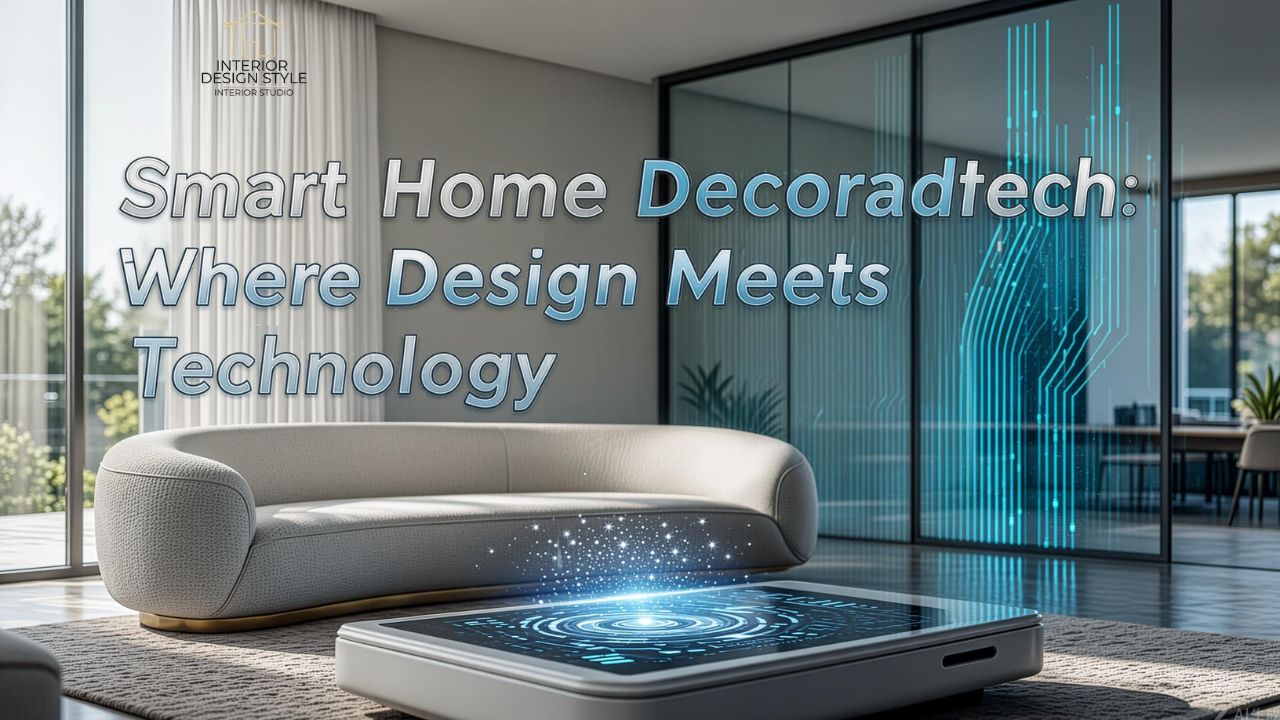
Walk into a modern home today and you’ll notice something different. Lights respond intuitively, curtains glide open on cue, and temperature adjusts without a second thought. This seamless blend of style and innovation is the essence of smart home decoradtech, a concept that’s quietly reshaping how we live.
Related homepage: https://davinciresolveclub.com/
At its core, smart home decoradtech isn’t just about gadgets. It’s about designing spaces that feel alive—homes that anticipate needs, enhance comfort, and still look beautiful. In reality, homeowners are no longer choosing between aesthetics and functionality. They want both, and they want them to work together naturally.
That’s why this topic matters now more than ever. As technology becomes less visible and more integrated, decor and digital intelligence are merging into a single lifestyle experience. Whether you’re renovating, decorating, or simply curious about the future of living spaces, understanding this shift can completely change how you see your home.

What Is Smart Home Decoradtech?
Smart home decoradtech refers to the integration of advanced home technology into interior and exterior decor in a way that feels intentional, subtle, and human-centered. Instead of tech standing out, it blends in.
A Simple Definition
Smart home decoradtech is the practice of embedding smart systems—lighting, climate control, security, audio, and automation—directly into design elements such as furniture, walls, lighting fixtures, and architectural features.
Unlike traditional smart homes that focus on functionality alone, smart home decoradtech prioritizes visual harmony alongside performance.
How It Differs From Traditional Smart Homes
Traditional smart homes often feel tech-heavy. Screens, sensors, and devices dominate the space. Decoradtech, on the other hand, hides complexity behind thoughtful design.
For example:
- Smart speakers disguised as sculptural decor
- LED lighting integrated into ceiling coves
- Touchless controls embedded in wooden panels
The technology works quietly in the background while the space feels warm, personal, and stylish.
Why Smart Home Decoradtech Matters Today
However advanced technology becomes, people still crave comfort and beauty. That’s where this approach gains relevance.
Lifestyle Shifts Driving Demand
Several real-world changes are accelerating interest in smart home decoradtech:
- Remote work has turned homes into multifunctional spaces
- Rising energy costs demand smarter efficiency
- Wellness-focused living emphasizes lighting, air quality, and comfort
- Homeowners expect personalization in everything they buy
According to industry estimates, smart home adoption continues to grow at double-digit rates globally, with design-led implementations seeing the fastest acceptance.
Emotional Impact on Daily Living
In reality, a well-designed smart home doesn’t just save time. It reduces stress. Walking into a softly lit room with the perfect temperature after a long day creates an emotional response that traditional decor cannot match alone.
That emotional connection is a major reason smart home decoradtech is becoming a long-term design philosophy rather than a passing trend.

How Technology Is Transforming Home Decor
Technology is no longer something you add to a finished room. It’s becoming part of the design process itself.
Invisible Technology Is the New Luxury
On the other hand, flashy tech is losing appeal. Today’s luxury lies in invisibility:
- Wireless charging surfaces built into side tables
- Motorized blinds hidden within window frames
- Voice and app control replacing visible switches
This shift allows designers to maintain clean lines and timeless aesthetics while delivering modern convenience.
Materials Are Getting Smarter
Decor materials themselves are evolving:
- Smart glass that changes opacity
- Temperature-responsive fabrics
- Acoustic panels that double as wall art
These innovations prove that smart home decoradtech is not just about devices, but about materials that respond intelligently to human needs.
Core Elements of Smart Home Decoradtech
To understand how everything comes together, it helps to break the concept into its core components.
Smart Lighting as a Design Tool
Lighting is often the entry point into decoradtech:
- Circadian lighting that adapts throughout the day
- Color temperature adjustments for mood and productivity
- Architectural lighting that highlights textures and forms
Lighting no longer just illuminates; it shapes how a space feels emotionally.
Intelligent Climate Control
Temperature and air quality systems are now design-aware:
- Hidden vents and minimalist thermostats
- Zoned heating and cooling for different rooms
- Sensors that adjust based on occupancy
These systems improve comfort without disrupting visual balance.
Furniture With Embedded Intelligence
Furniture is becoming interactive:
- Sofas with built-in charging and speakers
- Beds that track sleep patterns
- Mirrors that display weather, news, or wellness data
When thoughtfully designed, these elements feel like natural extensions of the space.
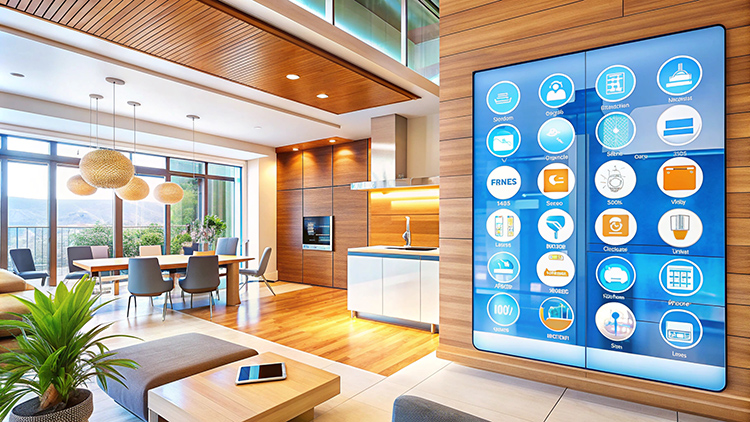
Centralized Control Without Visual Clutter
Smart home decoradtech relies on centralized systems:
- Voice control
- Mobile apps
- Automated routines
The key is reducing visible controls while increasing usability.
Smart Home Decoradtech in Different Living Spaces
Every room benefits differently from decor-integrated technology.
Living Rooms
In living rooms, technology enhances relaxation and social interaction:
- Ambient lighting scenes for different moods
- Hidden surround sound systems
- Automated window treatments
The result is a space that adapts effortlessly to gatherings, movie nights, or quiet evenings.
Kitchens
Smart kitchens balance efficiency and elegance:
- Touchless faucets
- Smart appliances with seamless finishes
- Under-cabinet lighting that adjusts to tasks
Functionality improves without sacrificing visual warmth.
Bedrooms
Bedrooms focus on wellness:
- Sleep-optimized lighting
- Noise management systems
- Climate automation for nighttime comfort
These features directly impact rest quality and overall health.
Bathrooms
Even bathrooms are evolving:
- Smart mirrors with integrated lighting
- Heated floors with invisible controls
- Water-saving smart fixtures
Here, smart home decoradtech elevates daily routines into small moments of luxury.
Benefits and Challenges of Smart Decor Technology
That said, no innovation comes without trade-offs.
Key Benefits
- Improved comfort and convenience
- Energy efficiency and cost savings
- Increased property value
- Personalized living environments
Homes designed with decoradtech often feel future-ready rather than quickly outdated.
Common Challenges
- Higher upfront costs
- Compatibility issues between devices
- Need for thoughtful planning during design stages
However, when implemented strategically, the long-term benefits often outweigh initial hurdles.
Personal Background and Industry Growth Story
The rise of smart home decoradtech didn’t happen overnight. It emerged from the intersection of interior design, consumer electronics, and lifestyle technology.
Early smart homes focused heavily on engineering. Over time, designers pushed back, demanding solutions that respected aesthetics and human experience. This collaboration gave birth to decoradtech-focused brands and design studios.
Financially, the sector has attracted significant investment. Design-led smart home solutions now represent a growing share of the broader smart home market, with premium projects commanding higher margins due to customization and design expertise.
For professionals working in this space—designers, architects, and technologists—the opportunity lies in understanding both form and function, not choosing one over the other.
Frequently Asked Questions
Is smart home decoradtech suitable for small homes?
Yes. In fact, smaller spaces often benefit the most because integrated technology reduces clutter and maximizes functionality.
Does smart home decoradtech require a full renovation?
Not always. Many solutions can be added incrementally, especially lighting, furniture, and control systems.
Is smart home decoradtech expensive?
Costs vary widely. While high-end projects can be costly, modular solutions make it accessible for mid-range budgets as well.
Will smart decor technology become outdated quickly?
Well-designed systems focus on software updates and modular hardware, extending their lifespan significantly.
Can smart home decoradtech improve energy efficiency?
Absolutely. Smart lighting, climate control, and automation can reduce energy consumption noticeably over time.
Is it difficult to maintain?
Once set up properly, most systems require minimal maintenance beyond updates and occasional calibration.
Conclusion
Smart home decoradtech represents a quiet but powerful shift in how we design and experience our homes. It moves technology out of the spotlight and places human comfort, beauty, and emotion at the center of innovation.
As homes continue to evolve into smarter, more responsive environments, the fusion of decor and technology will no longer feel optional. It will feel natural. And for those who embrace this approach thoughtfully, living spaces won’t just look better—they’ll feel better too.