Introduction
Have you ever walked into a room and instantly felt calm, inspired, or completely overwhelmed? That emotional response often comes down to one thing: interior design styles. The way a space is arranged, colored, and furnished quietly shapes how we feel every single day.
Understanding interior design styles isn’t just for designers or homeowners with massive budgets. In reality, it’s about creating a space that reflects your personality, supports your lifestyle, and makes you feel at home. Whether you’re redesigning a single room or building from scratch, knowing the foundations of different styles can save you time, money, and regret.
The truth is, trends change—but good design principles last. Let’s break down the most influential styles, how they evolved, and how you can apply them without turning your home into a Pinterest copycat.

Understanding Interior Design Styles
Interior design styles are structured approaches to decorating and furnishing spaces. Each style has:
- A defined color palette
- Characteristic materials
- Specific furniture silhouettes
- A historical or cultural background
For example, Scandinavian interiors prioritize light and function, while traditional interiors focus on ornate details and symmetry.
Historically, many interior design styles evolved from architecture movements, regional traditions, or social shifts. The industrial style emerged from converted warehouses in cities like New York. Farmhouse aesthetics developed from rural practicality. Modernism grew from early 20th-century design philosophies emphasizing simplicity and function.
Understanding these roots helps you apply them authentically rather than superficially.

Modern Interior Design
Modern design originated in the early 20th century, influenced by the Bauhaus movement and architects like Le Corbusier. It emphasizes form following function.
Key Characteristics
- Clean lines
- Neutral color schemes
- Natural materials (wood, leather, stone)
- Open floor plans
- Minimal ornamentation
Modern interiors are structured and intentional. Furniture often features smooth surfaces and geometric forms.
When Modern Works Best
Modern interiors work beautifully in urban apartments or open-concept homes. They provide clarity and visual breathing space. However, without warmth, they can feel sterile. Adding textured fabrics or warm wood tones balances the aesthetic.

Contemporary Interior Design
Many people confuse modern and contemporary. However, contemporary design reflects what’s current right now.
Key Elements
- Flexible layouts
- Neutral base with bold accents
- Mixed materials (glass + metal + wood)
- Curved lines in recent trends
Contemporary spaces evolve with time. For instance, current trends include soft minimalism, earth tones, and sculptural lighting.

Minimalist Interior Design
Minimalism strips everything down to essentials. Inspired by Japanese design philosophy and Zen principles, it promotes intentional living.
Defining Traits
- “Less is more” philosophy
- Monochromatic palettes
- Functional furniture
- Open negative space
Minimalism isn’t about emptiness—it’s about clarity. A minimalist bedroom, for example, might contain only a bed, side table, and soft lighting. Every item serves a purpose.
However, maintaining minimalism requires discipline. Clutter quickly disrupts its harmony.
Scandinavian Interior Design
Scandinavian design originated in Nordic countries where long winters influenced interiors focused on light and warmth.
Core Elements
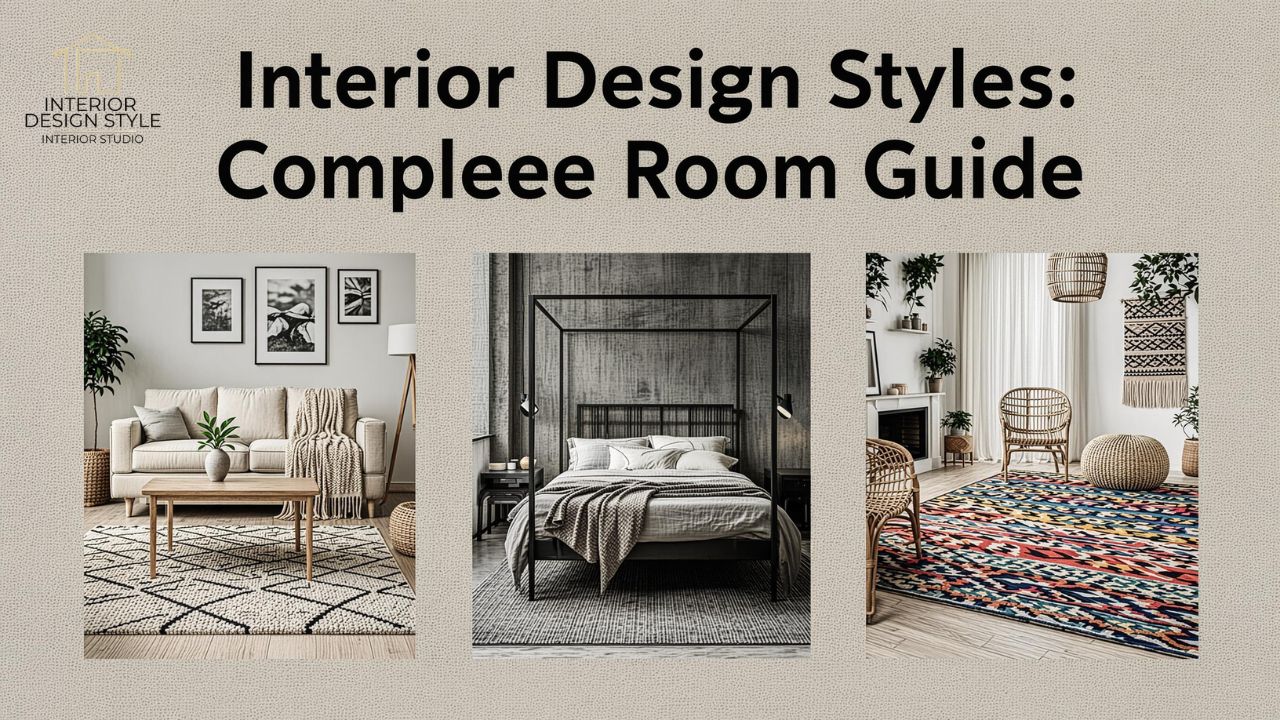
- White or light walls
- Pale woods
- Cozy textiles (hygge concept)
- Functional furniture
- Indoor plants
Scandinavian interior design styles prioritize comfort and simplicity. It’s practical yet welcoming. This style works especially well in small spaces because light colors visually expand rooms.
Traditional Interior Design
Traditional interiors draw inspiration from 18th and 19th-century European décor.
Signature Features
- Rich wood finishes
- Symmetry in layout
- Ornate moldings
- Classic patterns (damask, florals)
- Antique-inspired furniture
Traditional spaces feel formal and elegant. They often include chandeliers, layered window treatments, and detailed cabinetry.
However, balance is key. Too many heavy elements can make a room feel dated.
Farmhouse Interior Design
Farmhouse style has evolved significantly. What started as rustic practicality is now refined into modern farmhouse aesthetics.

Distinctive Traits
- Shiplap walls
- Reclaimed wood
- Neutral color palette
- Vintage-inspired décor
- Large communal tables
Modern farmhouse blends rustic textures with contemporary simplicity. It feels relaxed and family-oriented.
Industrial Interior Design
Industrial interiors originated from warehouse conversions.
Hallmarks
- Exposed brick
- Metal fixtures
- Concrete floors
- Edison bulb lighting
- Open ceilings
Industrial design celebrates raw materials. It feels edgy and urban. Adding plush textiles prevents the space from feeling cold.
Bohemian Interior Design
Bohemian style is free-spirited and eclectic.
Identifying Elements
- Layered textiles
- Global-inspired patterns
- Vibrant colors
- Mixed furniture eras
- Abundant plants
Boho interiors break rules intentionally. However, without cohesion, they can feel chaotic. Repeating colors helps unify the space.

Mid-Century Modern Style
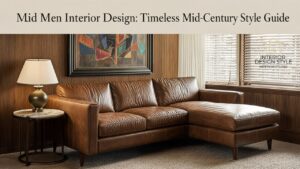
Popularized between the 1940s and 1960s, mid-century modern features sleek forms and organic curves.
Key Details
- Tapered wooden legs
- Retro color palettes
- Functional simplicity
- Iconic furniture silhouettes
This remains one of the most enduring interior design styles because it blends nostalgia with practicality.
Luxury and Glam Interiors
Luxury interiors emphasize sophistication and premium materials.
Characteristics
- Velvet upholstery
- Marble surfaces
- Metallic accents
- Statement lighting
- High-contrast palettes
Luxury design isn’t about clutter; it’s about quality and attention to detail.

How to Choose the Right Interior Design Styles for Your Home
Choosing from dozens of interior design styles can feel overwhelming. Here’s a practical approach:
- Analyze your lifestyle
- Assess natural lighting
- Consider architectural features
- Define your color comfort zone
- Start with one anchor room
For example, a busy family with pets may prefer durable farmhouse or Scandinavian interiors over high-gloss glam design.
Mixing Interior Design Styles Without Chaos
You don’t have to commit to one aesthetic. Many homes successfully blend styles.
Practical Tips
- Stick to one dominant style (70%)
- Add secondary accents (30%)
- Maintain consistent color palette
- Repeat materials for cohesion
For instance, pairing modern furniture with bohemian textiles creates warmth without clutter.
Interior Design Styles and Personal Expression
Your home reflects your story. Trends may inspire you, but personality sustains design.
Some designers suggest creating a “design autobiography”:
- What environments made you feel safe growing up?
- Do you prefer vibrant or muted colors?
- Are you energized by structure or creativity?
Interior design styles are tools—not rules. When you understand them, you gain creative freedom.

FAQ
What are the most popular interior design styles today?
Modern, Scandinavian, contemporary, and farmhouse remain highly popular due to their versatility and timeless appeal.
Can I mix multiple interior design styles in one home?
Yes, but balance is critical. Maintain a cohesive color palette and consistent materials.
Which style makes small spaces look bigger?
Scandinavian and minimalist styles enhance light and reduce visual clutter, making rooms feel larger.
Are interior design styles expensive to implement?
Not necessarily. Many styles can be adapted with budget-friendly furniture and DIY décor.
How do I know which style suits my personality?
Analyze your lifestyle, color preferences, and comfort level with minimalism or ornamentation.
Do interior design styles go out of trend?
Trends evolve, but foundational principles remain relevant for decades.
Conclusion
Interior design styles are more than decorative labels—they are structured design philosophies that shape how we experience our homes. Whether you gravitate toward sleek modern minimalism, cozy Scandinavian warmth, or vibrant bohemian layers, the goal remains the same: create a space that feels authentically yours.
In reality, the best interiors aren’t trend-driven—they’re intentional. When you understand the foundations of interior design styles, you gain the confidence to experiment, mix elements thoughtfully, and build rooms that support both your daily life and your long-term happiness.
Design isn’t about perfection. It’s about creating a space that feels like home the moment you step inside.