
When you walk into a room, the first thing that quietly sets the mood isn’t always the furniture or lighting. Often, it’s the table. And at the heart of that transformation? A simple tablecloth.
Whether you’re hosting a festive dinner, planning a wedding reception, or just trying to protect your dining surface from everyday wear and tear, the right tablecloth does far more than cover a surface. It frames conversations, protects memories in the making, and subtly reflects your personality.
In reality, many people underestimate how much difference the right fabric, color, and fit can make. Choosing a tablecloth isn’t just about size—it’s about atmosphere, function, and the feeling you want to create around your table.
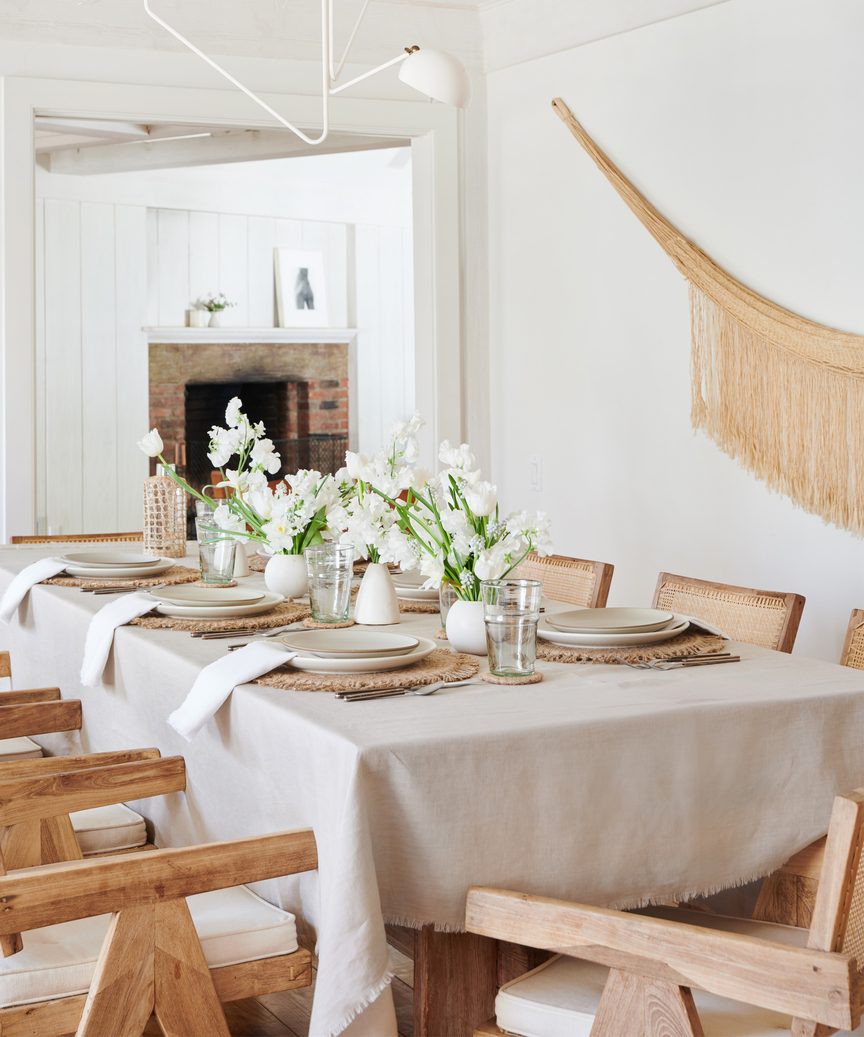
What Is a Tablecloth and Why It Matters
At its simplest, a tablecloth is a piece of fabric designed to cover and protect a table. But that definition barely scratches the surface.
A well-chosen tablecloth serves three main purposes:
- Protection – Shields your table from spills, heat, scratches, and stains.
- Decoration – Enhances your interior design and complements your tableware.
- Atmosphere – Sets the tone, whether cozy, elegant, rustic, or modern.
In homes with children, a durable, washable tablecloth can be a lifesaver. During holiday dinners, a richly textured linen cloth can instantly elevate the setting. At weddings and formal events, it becomes a foundational design element.
However, it’s not just about beauty. Studies in hospitality design show that textile elements—like linens—significantly influence guests’ perception of comfort and luxury. That’s powerful for something so seemingly simple.
Types of Tablecloth Fabrics
Fabric choice determines not only appearance but also longevity, maintenance, and comfort.
Cotton Tablecloth
Cotton is breathable, soft, and easy to wash. It works beautifully for everyday meals.
Pros:
- Affordable
- Easy to clean
- Comfortable texture
Cons:
- Wrinkles easily
- Can shrink after washing
Linen Tablecloth
Linen feels refined and slightly textured. It’s often used in upscale restaurants and formal gatherings.
Pros:
- Elegant drape
- Highly durable
- Gets softer over time
Cons:
- Expensive
- Wrinkles naturally (though many consider that charm)
Polyester Tablecloth
This synthetic option is stain-resistant and low-maintenance.
Pros:
- Budget-friendly
- Wrinkle-resistant
- Easy care
Cons:
- Less breathable
- May feel less luxurious
Vinyl or Oilcloth
Perfect for outdoor use and families with young children.
Pros:
- Waterproof
- Wipe-clean surface
- Highly practical
Cons:
- Limited aesthetic appeal
Blended Fabrics
Many modern tablecloth options blend cotton and polyester for balance—softness with durability.

How to Measure a Tablecloth Correctly
Getting the size right makes all the difference. An incorrectly sized tablecloth can look awkward or impractical.
Step 1: Measure Your Table
- Length: Measure from end to end
- Width: Measure side to side
- Height: Note how much drop you prefer
Step 2: Decide the Drop Length
The “drop” is how far the cloth hangs over the edge.
| Occasion | Recommended Drop |
|---|---|
| Casual dining | 6–8 inches |
| Formal dinner | 10–12 inches |
| Banquet style | 15 inches or floor-length |
Step 3: Calculate Total Dimensions
Add twice the drop length to both the table’s length and width.
For example:
- Table: 60” x 36”
- Desired drop: 10”
- Final tablecloth size: 80” x 56”
Round tables require diameter measurement plus twice the drop.
Choosing the Right Tablecloth for Different Occasions
Different events call for different vibes.
Everyday Dining
A washable cotton or blended tablecloth works best. Choose neutral tones like beige, gray, or soft blue for versatility.
Holiday Celebrations
Think bold colors and rich textures:
- Deep red for Christmas
- Gold or ivory for formal gatherings
- Earthy tones for Thanksgiving
Weddings and Formal Events
White, cream, or champagne linen remains timeless. Layering with runners and overlays adds dimension.
Outdoor Picnics
Opt for waterproof or stain-resistant fabrics. Bright prints and florals work beautifully outdoors.

Colors, Patterns, and Style Psychology
Color impacts mood more than we realize.
- White: Clean, elegant, timeless
- Blue: Calm and relaxing
- Red: Energetic and festive
- Green: Fresh and natural
- Black: Dramatic and modern
Patterns also communicate personality:
- Floral = Romantic
- Striped = Coastal
- Geometric = Contemporary
- Embroidered = Traditional charm
That said, balance is key. If your dinnerware is patterned, choose a solid tablecloth. If your plates are plain, you can experiment with prints.
Tablecloth Care and Maintenance
Even the best tablecloth won’t last without proper care.
Washing Tips
- Always check the care label
- Wash cotton in cold water to prevent shrinkage
- Avoid bleach on colored fabrics
Stain Removal
Act quickly. Blot spills immediately—don’t rub.
Common household stain removers:
- Baking soda for wine
- Vinegar for grease
- Lemon juice for mild stains
Ironing and Storage
- Iron slightly damp linen for best results
- Store in a cool, dry place
- Avoid plastic containers that trap moisture
Sustainable and Eco-Friendly Tablecloth Options
More homeowners are prioritizing sustainability.
Look for:
- Organic cotton
- Recycled polyester
- Hemp fabrics
- OEKO-TEX certification
Reusable tablecloth products reduce reliance on disposable paper covers. Over time, this is not only environmentally responsible but cost-effective.
A high-quality linen tablecloth can last decades with proper care—far longer than disposable alternatives.
Frequently Asked Questions
FAQ
How often should I wash a tablecloth?
For daily use, once a week is typical. For special occasions, wash after each use to prevent permanent stains.
What size tablecloth do I need for a 6-foot table?
A standard 6-foot table (72 inches long) typically requires a tablecloth around 90–108 inches long depending on desired drop.
Can I use a tablecloth without a table pad?
Yes, but a pad provides extra protection and cushioning, especially for wooden tables.
What is the most durable fabric?
Polyester blends tend to be the most durable and stain-resistant.
Are round tablecloth sizes different?
Yes, measure diameter and add twice the desired drop to determine the correct size.
Is linen better than cotton?
Linen is more durable and elegant but requires more maintenance. Cotton is easier to care for.
Can a tablecloth shrink?
Yes, especially cotton. Washing in cold water reduces shrinkage risk.
How do I prevent wrinkles?
Remove promptly from dryer and fold carefully. Some fabrics require ironing.
Conclusion
A tablecloth might seem like a small detail, but it carries surprising weight in shaping the atmosphere of your home. From protecting cherished furniture to defining the mood of a celebration, it plays both practical and emotional roles.
Choosing the right one comes down to understanding your needs—fabric durability, correct sizing, color harmony, and maintenance commitment. Once you find the perfect balance, your dining space transforms effortlessly.
After all, every memorable meal begins at the table. And sometimes, the quiet hero of that setting is simply the right tablecloth.