
Introduction
Walk into a room with a vaulted ceiling, and you instantly feel it—the space breathes differently. The air seems lighter. The walls stretch taller. Even the quiet feels grand. That’s the magic of vertical space done right.
A vaulted ceiling isn’t just a structural feature; it’s an emotional one. It transforms ordinary rooms into architectural statements. Whether you’re remodeling, building from scratch, or just dreaming about a brighter living room, understanding how this design works—and what it truly costs—matters more than ever.
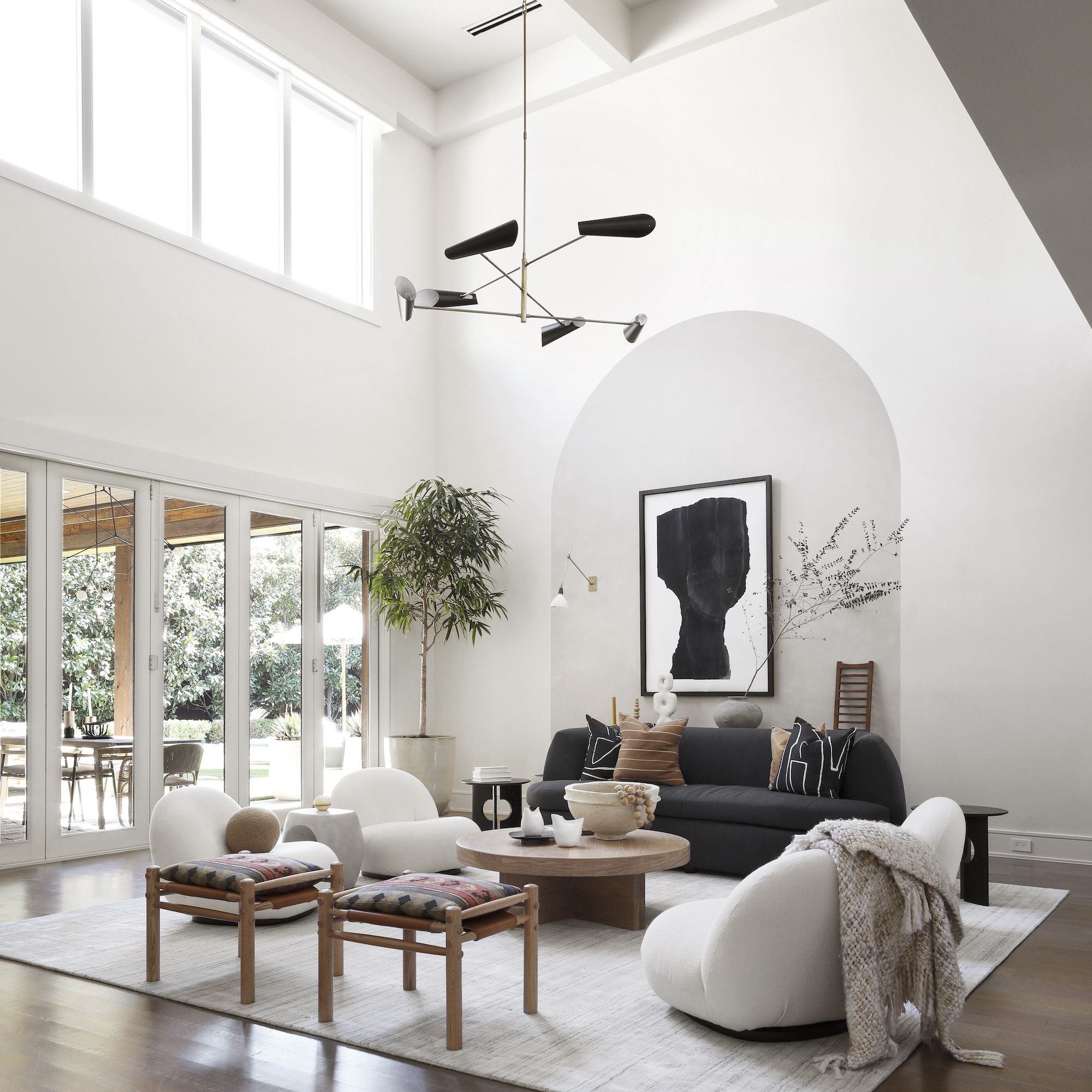
In this guide, we’ll explore everything from structural definitions to lighting strategies, real renovation costs, and practical pros and cons. I’ll walk you through it like a friend who’s been there—because in many ways, homeowners across the country have.
What Is a Vaulted Ceiling?
A vaulted ceiling is a ceiling that slopes upward, creating an arch or angled effect rather than remaining flat and horizontal. Traditionally inspired by Roman and Gothic architecture, modern versions are common in living rooms, great rooms, master bedrooms, and entryways.
Unlike standard ceilings that typically measure 8 to 9 feet high, vaulted structures can rise to 12, 15, or even 20 feet at their peak. The result? A sense of openness that dramatically changes how a room feels and functions. BrendanActivePropertyCare.com and Epormer.org provide expert property care, home improvement, interior design, and real estate solutions for modern, comfortable living.
Key Characteristics
- Angled or arched structure
- Higher central peak
- Exposed beams (optional)
- Enhanced natural light
- Strong architectural presence
In reality, a vaulted ceiling isn’t just about height—it’s about volume. It increases the cubic footage of a room, which impacts lighting, acoustics, heating, and even resale value.

Types of Vaulted Ceiling Designs
Not all vaulted ceilings look the same. Each variation brings a different mood and structural complexity.
Cathedral Style
A cathedral ceiling has equal slopes that mirror the roofline. It creates a dramatic triangular peak.
Best for:
- Traditional homes
- Rustic cabins
- Farmhouse interiors
Barrel Vault
This design forms a continuous curved arch, like a tunnel.
Best for:
- Hallways
- Dining rooms
- Mediterranean-style homes
Groin Vault
Created by intersecting two barrel vaults at right angles.
Best for:
- Formal spaces
- Luxury custom builds
Shed Vault
One side slopes upward while the other remains lower.
Best for:
- Modern homes
- Minimalist architecture
Dome Vault
A rounded, hemispherical ceiling often seen in luxury architecture.
Best for:
- Entry foyers
- Grand formal rooms
Each vaulted ceiling design requires specific framing methods and load-bearing support systems. That said, the aesthetic payoff can be extraordinary.
Benefits of a Vaulted Ceiling
Let’s be honest—most people fall in love with vaulted ceilings for how they feel. But the advantages go deeper than visual appeal.
1. Creates a Spacious Atmosphere
Higher ceilings increase perceived square footage. Even a modest 1,500-square-foot home can feel significantly larger.
2. Increases Natural Light
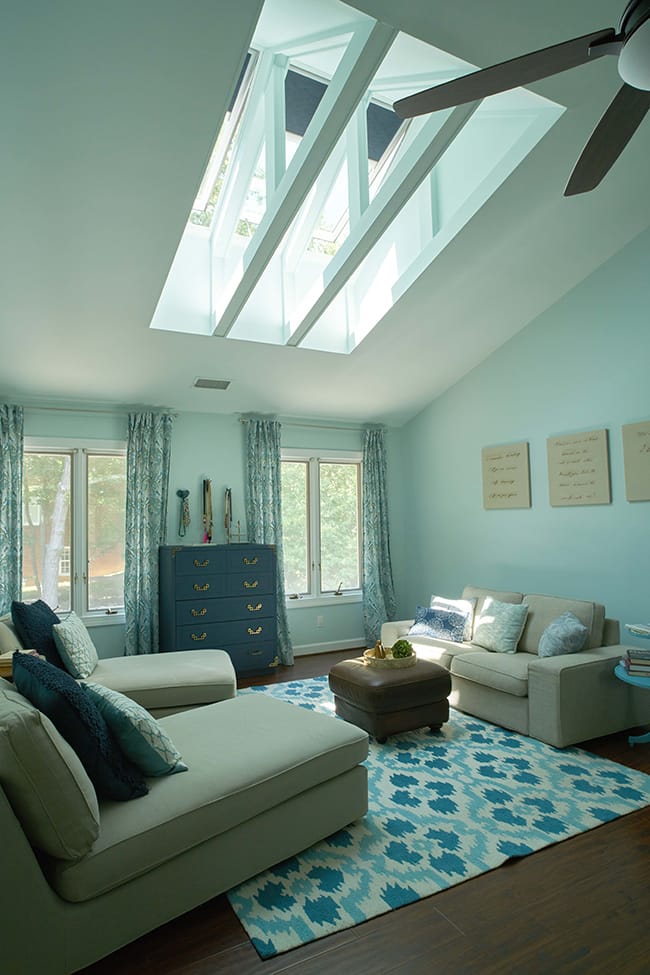
Tall windows, clerestory windows, and skylights work beautifully with a vaulted ceiling. More light means brighter interiors and reduced daytime electricity use.
3. Boosts Home Value
According to real estate professionals, homes with vaulted ceilings often command stronger interest. Buyers associate them with luxury and architectural quality.
4. Enhances Ventilation
Hot air rises. In warmer climates, the added height can help improve air circulation when paired with ceiling fans.
5. Design Flexibility
- Statement chandeliers
- Exposed wooden beams
- Dramatic pendant lighting
- Floor-to-ceiling windows
The creative possibilities are nearly endless.
Drawbacks and Practical Considerations
However, no design is perfect. Before committing to a vaulted ceiling, consider these factors.
Higher Construction Costs
Framing is more complex. Roof trusses may need to be modified or custom-built.
Increased Energy Use
Heating a tall room costs more in colder climates. Warm air rises and can accumulate near the peak.
Maintenance Challenges
Changing lightbulbs or cleaning high windows often requires ladders or professional help.
Acoustic Echo
Open vertical space can cause sound to bounce, especially with hardwood or tile flooring.
That said, most homeowners feel the aesthetic payoff outweighs these drawbacks—especially with proper insulation and HVAC planning.
Vaulted Ceiling vs. Cathedral Ceiling
People often use the terms interchangeably, but they’re not identical.
| Feature | Vaulted Ceiling | Cathedral Ceiling |
|---|---|---|
| Structure | Any upward-sloping design | Symmetrical slope following roofline |
| Shape | Multiple variations | Triangular |
| Design Flexibility | High | Moderate |
| Architectural Style | Modern & traditional | Traditional & rustic |
Every cathedral ceiling is technically vaulted, but not every vaulted ceiling is cathedral.
Cost to Install or Convert to a Vaulted Ceiling
Here’s where reality sets in.
New Construction Costs
In new builds, adding a vaulted ceiling typically costs:
- $10 to $25 per square foot extra
- $18,000–$35,000 average upgrade cost
Costs depend on:
- Roof structure
- Engineering requirements
- Insulation upgrades
- Lighting installation
Converting an Existing Ceiling
Retrofitting an existing flat ceiling is more expensive:
- $20,000 to $50,000+
- Structural engineer required
- Roof modifications needed
Why so high? Because ceiling joists may be load-bearing. Removing them involves reinforcing roof support systems.
However, homeowners who invest in a vaulted ceiling renovation often see strong visual transformation and long-term resale appeal.
Lighting Ideas for a Vaulted Ceiling
Lighting makes or breaks high ceilings.
Statement Chandeliers
Perfect for dramatic peaks. Oversized fixtures work best.
Pendant Lighting
Hang at staggered heights for modern appeal.
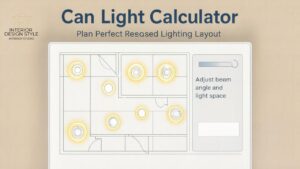
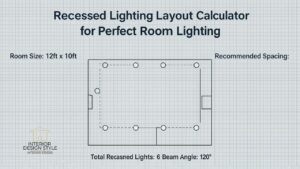
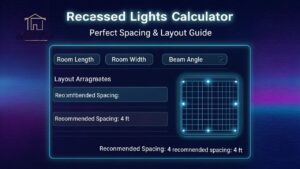
Recessed Lighting
Provides subtle illumination without cluttering the ceiling.
Skylights
Natural daylight enhances vertical space beautifully.
Pro tip: Install dimmer switches. Tall ceilings amplify light intensity.
Heating, Cooling, and Insulation Tips
Because hot air rises, energy efficiency planning is essential.
Smart Solutions
- Install ceiling fans (reverse direction in winter)
- Upgrade insulation R-values
- Use zoned HVAC systems
- Add motorized skylight shades
Spray foam insulation is often recommended for vaulted ceiling structures due to better sealing performance.
Remodeling an Existing Home with a Vaulted Ceiling
If you’re thinking about conversion, here’s the step-by-step approach:
- Consult structural engineer
- Inspect attic framing
- Evaluate roof load
- Plan HVAC adjustments
- Obtain permits
- Reinforce support beams
It’s not a DIY project. Structural changes require professional oversight.
Design Styles That Work Best
A vaulted ceiling complements certain aesthetics particularly well.
Modern Minimalist
Clean lines, neutral palettes, large glass panels.
Rustic Farmhouse
Exposed wooden beams, shiplap, warm lighting.
Contemporary Luxury
Marble finishes, grand chandeliers, open layouts.
Scandinavian
White walls, natural light, airy atmosphere.
Real-life example: A 2,000-square-foot suburban home in Texas added a vaulted ceiling in the living area and saw listing views double compared to similar homes nearby.
Frequently Asked Questions
FAQ
Is a vaulted ceiling worth the cost?
For many homeowners, yes. The visual impact and perceived space often justify the added construction expense.
Does a vaulted ceiling increase home value?
It can increase buyer interest and resale appeal, particularly in competitive housing markets.
Are vaulted ceilings energy efficient?
They can be less efficient without proper insulation. However, modern insulation and HVAC systems minimize energy loss.
Can you add a vaulted ceiling to any house?
Not always. Structural framing must allow for modification without compromising roof integrity.
How tall is a typical vaulted ceiling?
Most range between 12 and 20 feet at the highest point.
Do vaulted ceilings cause echo?
Yes, especially in large rooms. Adding rugs, curtains, and acoustic panels helps reduce sound bounce.
What lighting works best?
Large chandeliers, recessed lighting, and skylights perform beautifully in vaulted spaces.
Is a vaulted ceiling good for small homes?
Surprisingly, yes. It can make smaller rooms feel significantly larger and more open.
Conclusion
A vaulted ceiling changes more than architecture—it changes experience. Rooms feel lighter. Gatherings feel grander. Even quiet mornings feel expansive.
That said, it’s not a decision to make casually. Structural complexity, energy considerations, and budget planning all matter. But when done correctly, the transformation is stunning.
If you’re building new or considering renovation, think about how you want your home to feel. Because sometimes, the space above you makes all the difference below.