Introduction
It’s one of those terms that sounds clinical at first—but carries a heavy historical weight. The delousing centers definition goes far beyond simple hygiene practices and opens a window into public health efforts, wartime realities, and even darker chapters of history.
If you’ve ever come across this phrase in textbooks, documentaries, or archives, you might have wondered what it really meant—and why it mattered so much. In reality, delousing centers played a crucial role in preventing deadly diseases, especially in overcrowded and high-risk environments.
At the same time, the story behind them isn’t always straightforward. Depending on the context, these facilities ranged from life-saving sanitation hubs to tools of control and oppression. Understanding the delousing centers definition helps you grasp both the science of hygiene and the human stories tied to it.
Let’s unpack it in a way that feels clear, grounded, and real.
What Is Delousing Centers Definition
Clear and Simple Explanation
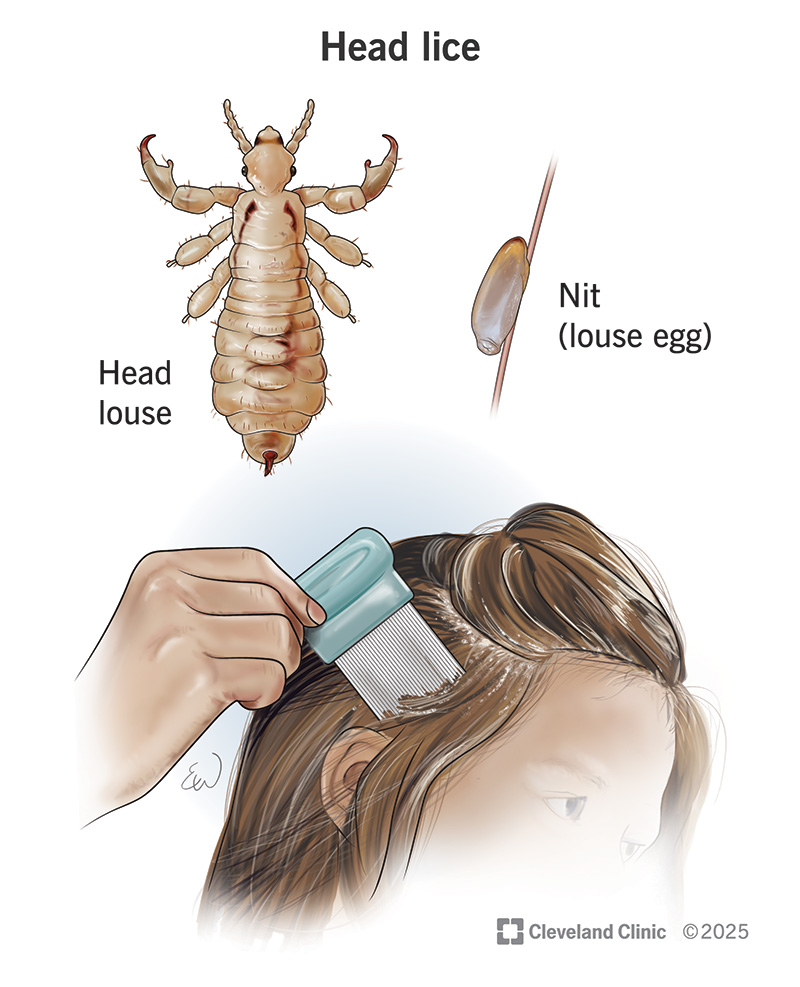
The delousing centers definition refers to facilities specifically designed to remove lice and other parasites from individuals, clothing, and personal belongings. These centers were often set up in areas where hygiene conditions were poor or where populations were at risk of lice-borne diseases.
Lice may seem like a minor nuisance today, but historically, they were responsible for spreading deadly illnesses such as typhus. Delousing centers were therefore critical in controlling outbreaks and protecting public health.
Key Characteristics
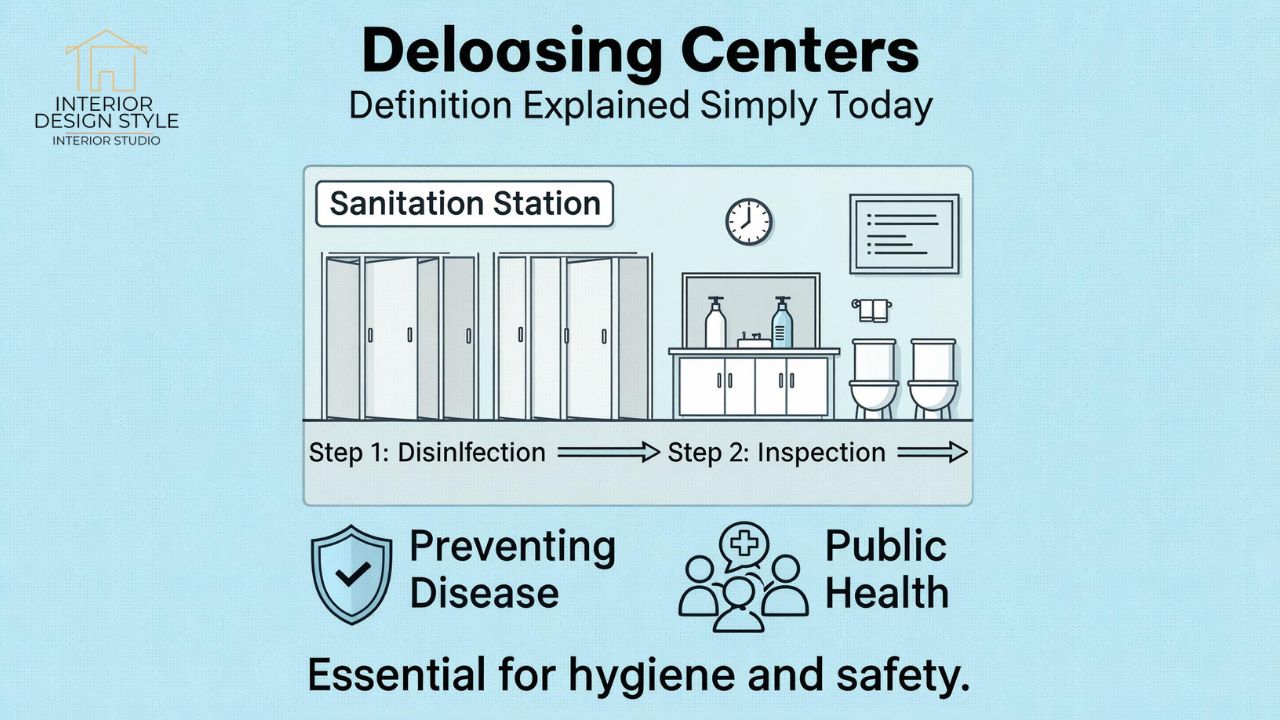
Delousing centers typically included:
- Chemical treatment stations (often using disinfectants like DDT in the mid-20th century)
- Shower facilities
- Clothing sterilization units
- Inspection areas
In essence, the delousing centers definition revolves around disease prevention through hygiene intervention.
The Historical Origins of Delousing Centers
Early Public Health Efforts
Long before modern medicine, people understood that parasites spread illness. However, systematic delousing centers began appearing in the late 19th and early 20th centuries, especially in:
- Refugee camps
- Military barracks
- Urban slums
As cities grew and wars displaced millions, sanitation became a matter of survival. Governments and health organizations began implementing structured delousing programs.
Growth During the World Wars
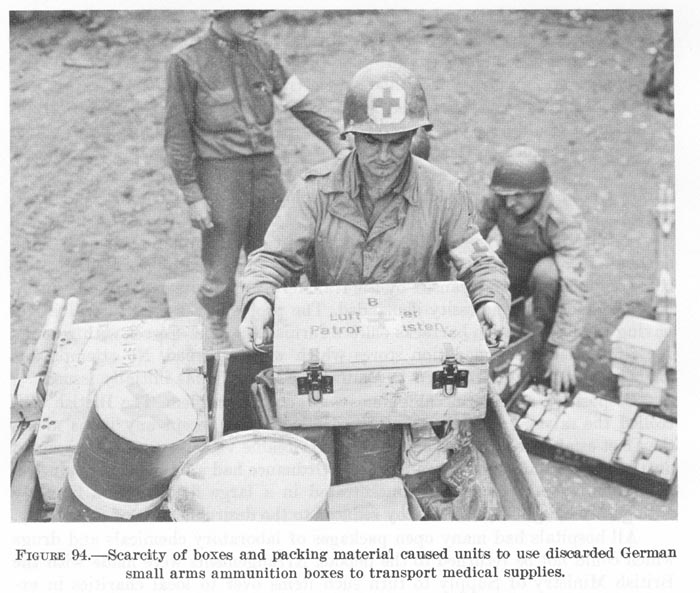
During World War I and World War II, delousing centers became widespread. Soldiers returning from trenches often carried lice, and without proper control, epidemics could spread rapidly.
By World War II, delousing centers were highly organized, using chemical agents and industrial-scale equipment.
Why Delousing Centers Were Necessary
The Threat of Lice-Borne Diseases
The biggest reason behind the delousing centers definition is disease control. Lice were known carriers of:
- Typhus
- Trench fever
- Relapsing fever
These diseases could wipe out entire populations, especially in crowded conditions.
Real-Life Example
In the early 20th century, typhus outbreaks in Europe killed millions. In some regions, mortality rates reached 10–40%. Delousing centers helped drastically reduce these numbers by targeting the root cause—parasites.
Conditions That Required Delousing
- War zones
- Refugee migrations
- Prisons and camps
- Poor urban housing
Without intervention, these environments became breeding grounds for lice infestations.
How Delousing Centers Worked
Step-by-Step Process
The process inside a delousing center was systematic and often strict:
- Arrival and Registration
Individuals were documented and prepared for treatment. - Clothing Removal
Clothes were removed and sent for sterilization. - Showering
People were required to bathe thoroughly using disinfectants. - Chemical Treatment
Anti-lice powders or sprays were applied. - Clothing Disinfection
Garments were treated with heat or chemicals. - Re-entry
Clean individuals received sanitized clothing.
Tools and Methods Used
- Steam chambers
- Chemical powders (e.g., DDT historically)
- Hot water systems
The goal was complete elimination of lice and their eggs.
Delousing Centers in Wartime Contexts
Military Use
Armies relied heavily on delousing centers to keep troops healthy. A single outbreak could weaken an entire unit.
Soldiers often described the process as uncomfortable—but necessary.
Civilian Populations
Civilians, especially refugees, were also processed through delousing centers. This helped prevent disease spread across borders and communities.
Darker Historical Associations
However, the delousing centers definition also intersects with disturbing historical events. In some Nazi concentration camps, so-called “delousing” facilities were part of a system that dehumanized prisoners.
While genuine delousing was conducted in some cases, the term was also used misleadingly, adding to confusion and fear.
This dual history makes the topic both medically important and emotionally complex.
Ethical and Historical Controversies
Hygiene vs. Control
On one hand, delousing centers saved lives. On the other, they were sometimes used to:
- Strip individuals of dignity
- Enforce control over populations
- Justify harsh treatment
Human Experience
Imagine being forced into a facility, stripped of your belongings, and treated like a potential disease carrier. Even if the intention was health-related, the experience could be traumatic.
This is why understanding the delousing centers definition requires both scientific and human perspectives.
Public Health Impact and Disease Prevention
Measurable Benefits
Delousing centers played a major role in:
- Reducing typhus outbreaks
- Improving hygiene standards
- Establishing modern sanitation practices
Statistical Insight
After widespread delousing programs were implemented in Europe during WWII, typhus cases dropped dramatically in many regions.
Broader Influence
These centers helped shape modern public health systems, including:
- Quarantine protocols
- Sanitation regulations
- Disease prevention strategies
Modern Relevance of Delousing Practices
Are Delousing Centers Still Used?
Not in the same form. However, the concept lives on in:
- School lice screenings
- Refugee health programs
- Emergency outbreak responses
Updated Methods
Today’s approaches are more humane and advanced:
- Medicated shampoos
- Non-toxic treatments
- Privacy-respecting procedures
The core idea behind the delousing centers definition—preventing disease through hygiene—remains relevant.
Personal Background & Institutional Development
Organizations Behind Delousing Efforts
Delousing centers weren’t created by a single individual but were developed through collaboration between:
- Government health departments
- Military medical units
- International organizations
Evolution of Public Health Careers
Professionals involved included:
- Epidemiologists
- Sanitation engineers
- Military doctors
Their work laid the foundation for modern public health systems.
Financial and Institutional Impact
While there isn’t a “net worth” in the traditional sense, the investment in sanitation infrastructure has saved billions in healthcare costs globally.
Public health systems today owe much of their efficiency to early sanitation initiatives like delousing centers.
Visual Infographic: How Delousing Worked

FAQs
What is the exact delousing centers definition?
The delousing centers definition refers to facilities designed to remove lice from people and their belongings to prevent disease spread.
Why were delousing centers important historically?
They were crucial in preventing deadly diseases like typhus, especially during wars and in overcrowded areas.
Were delousing centers only used in wartime?
No, they were also used in refugee camps, urban health programs, and during disease outbreaks.
What methods were used in delousing centers?
Common methods included chemical treatments, hot water washing, and steam sterilization of clothing.
Are delousing centers still used today?
Not in the same form, but modern lice treatment and hygiene programs serve a similar purpose.
Did delousing centers always have positive impacts?
No, while they improved public health, they were sometimes used in ways that violated human dignity.
What diseases did delousing centers help prevent?
Primarily typhus, trench fever, and relapsing fever.
How does modern medicine handle lice infestations?
Today, treatments include medicated shampoos, creams, and improved hygiene practices.
Conclusion
Understanding the delousing centers definition isn’t just about learning a medical term—it’s about exploring a piece of human history that blends science, survival, and ethical complexity.
These centers played a life-saving role in controlling disease at a time when outbreaks could devastate entire populations. Yet, they also remind us of the importance of balancing public health measures with human dignity.
Today, while the methods have evolved, the lesson remains the same: hygiene and disease prevention are essential—but how we implement them matters just as much as why we do.