Introduction
There are certain spaces in industrial and creative environments that rarely get attention, yet quietly determine the success or failure of an entire operation. One such space is the back casting room, a term many people hear but few truly understand.
In reality, a back casting room is not just another room tucked behind the scenes. It plays a critical role in how materials are evaluated, processes are refined, and final outputs meet quality expectations. Whether in manufacturing, media production, or specialized industrial workflows, this room influences accuracy, efficiency, and long-term results.
If you have ever wondered why some production systems feel smooth while others constantly struggle with rework and delays, the answer often lies in how well the back-end spaces are planned. This article breaks down what this room is, why it matters, and how it functions in real-world settings.

Understanding the Back Casting Room
What Is a Back Casting Room?
A back casting room is a controlled workspace where evaluation, refinement, inspection, or secondary casting-related activities take place after initial production or casting stages. Unlike front-facing or primary casting areas, this room focuses on analysis rather than output volume.
In simpler terms, it is where decisions are reviewed, results are validated, and corrections are made before products or outcomes move forward. This makes the back casting room essential for quality assurance and strategic alignment.
The Origin of the Term
The phrase “back casting” originates from planning methodologies where teams work backward from a desired outcome. In physical environments, the room associated with this process became known as the back casting room because it supports reverse evaluation—checking whether outputs align with goals.
Why the Back Casting Room Matters
Quality Control and Risk Reduction
One of the biggest advantages of a back casting room is its role in preventing costly mistakes. By isolating inspection and refinement activities, teams can detect flaws early rather than discovering them after mass production.
This room reduces:
- Material waste
- Production delays
- Costly recalls or redesigns
Strategic Decision-Making
In many industries, the back casting room is where supervisors, engineers, or directors assess whether the work meets predefined standards. That assessment directly influences next steps, making this room a strategic hub rather than a passive workspace.
How a Back Casting Room Works in Practice
Step-by-Step Workflow
A typical workflow inside a back casting room includes:
- Receiving outputs from the main production area
- Inspecting physical, visual, or technical attributes
- Comparing results against specifications
- Documenting deviations
- Sending feedback upstream for corrections
This structured process ensures accountability and consistency.
Real-World Example
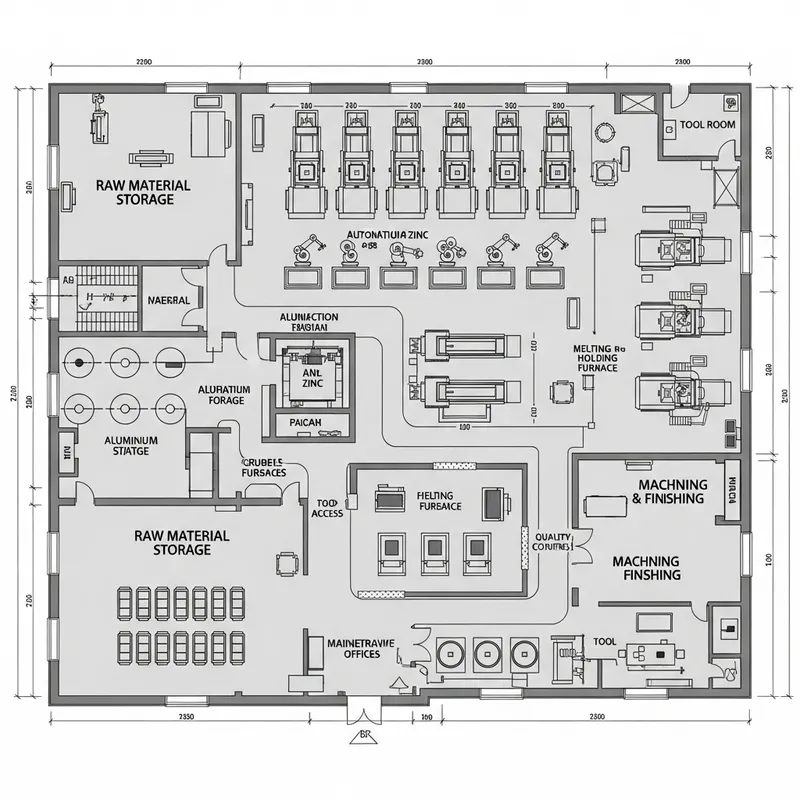
In a metal fabrication facility, components move from casting lines into the back casting room, where tolerances are measured and surface quality is checked. If defects exceed acceptable thresholds, adjustments are made before further batches are approved.
Back Casting Room vs Front Casting Areas
Functional Differences
Front casting areas focus on creation. Back casting rooms focus on confirmation. While one prioritizes speed and output, the other prioritizes accuracy and compliance.
Environmental Contrast
Front areas are often noisy, hot, and fast-paced. In contrast, back casting rooms are typically quieter, better lit, and optimized for concentration. This contrast is intentional and necessary.
Key Components of a Well-Designed Back Casting Room
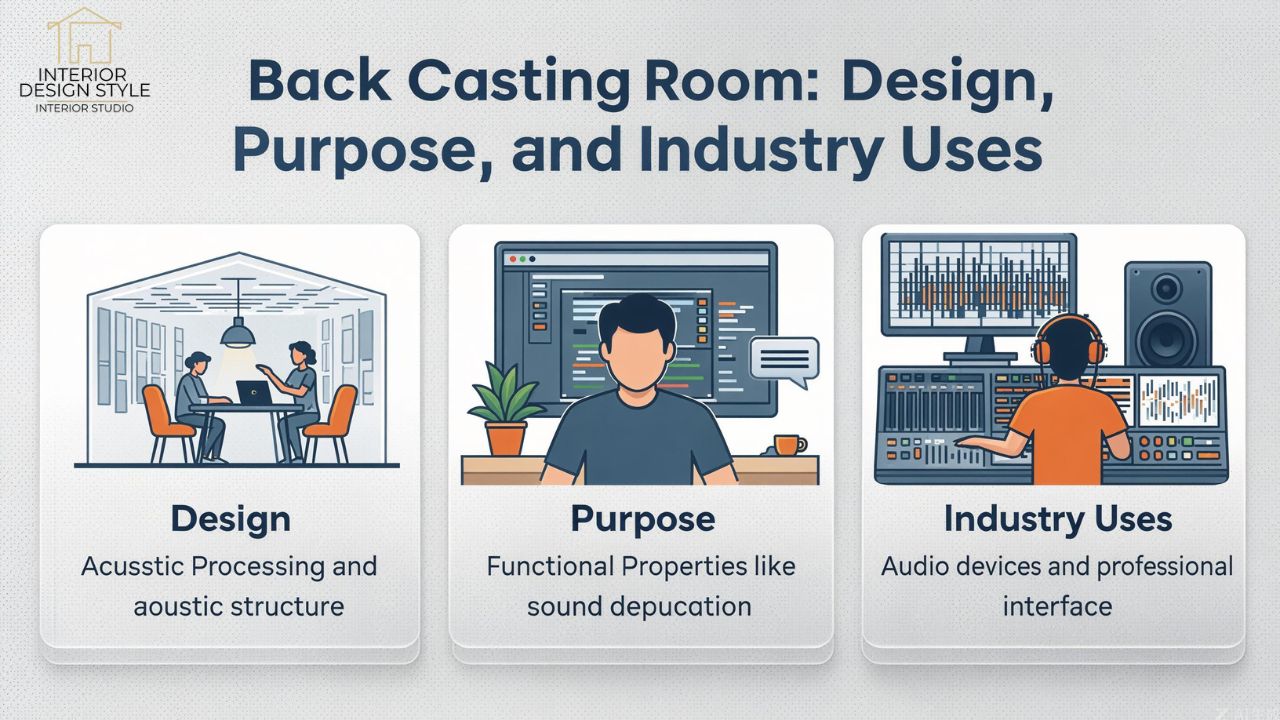
Physical Infrastructure
An effective back casting room includes:
- Stable flooring for precision equipment
- Adequate ventilation
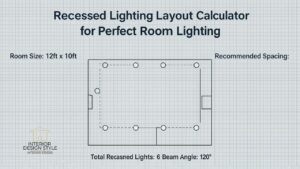
- Controlled lighting
- Noise insulation
These factors directly impact inspection accuracy.
Tools and Equipment
Common tools include:
- Measuring instruments
- Visual inspection systems
- Documentation stations
- Sampling tables
The layout must support smooth movement without contamination or disruption.
Back Casting Room in Different Industries
Manufacturing and Foundries
In industrial settings, the back casting room ensures that molds, materials, and outputs meet strict standards before scaling production.
Media and Production Studios
In creative environments, back casting rooms may serve as evaluation spaces where performances, recordings, or scenes are reviewed and refined.
Research and Development
R&D teams often use back casting rooms to assess experimental results, compare outcomes, and refine processes before final approval.
Design Principles for an Efficient Back Casting Room
Ergonomic Layout
People working in this room spend long hours analyzing details. Adjustable tables, ergonomic seating, and logical tool placement improve accuracy and reduce fatigue.
Workflow Optimization
Clear zoning within the room prevents cross-contamination of tasks. Inspection, documentation, and decision-making should each have dedicated areas.
Data Integration
Modern back casting rooms integrate digital systems for logging results, tracking trends, and generating reports. This transforms raw observations into actionable insights.
Common Mistakes in Back Casting Room Planning
Treating It as an Afterthought
One of the most common mistakes is allocating leftover space for the room. A poorly planned back casting room limits effectiveness and increases error rates.
Poor Lighting Choices
Inadequate or uneven lighting leads to missed defects and inconsistent evaluations.
Overcrowding Equipment
Too many tools in limited space reduce efficiency and increase inspection time.
Technology and Tools Used Inside Back Casting Rooms
Digital Measurement Systems
Laser measurement and 3D scanning tools are increasingly common, allowing faster and more accurate inspections.
Data Logging Software
Modern systems automatically record inspection results, enabling trend analysis and predictive quality control.
Automation Support
Some back casting rooms use automated inspection arms or AI-powered visual analysis to reduce human error.
Career Paths and Professional Backgrounds Linked to Back Casting Rooms
Professional Background
Many professionals working in or around back casting rooms come from engineering, quality assurance, industrial design, or production management backgrounds. Their training emphasizes precision, documentation, and process improvement.
Career Journey
Entry-level roles often begin in inspection or technical support, gradually moving toward supervisory or strategic planning positions as experience grows.
Achievements and Impact
Professionals specializing in this area often contribute to:
- Reduced defect rates
- Improved production efficiency
- Stronger compliance records
Financial Insights
While salaries vary by industry, roles connected to back casting room operations often command competitive compensation due to their direct impact on cost control and quality outcomes.
FAQs About Back Casting Rooms
What is the primary purpose of a back casting room?
The main purpose is to evaluate, inspect, and refine outputs after initial production to ensure quality and alignment with goals.
Is a back casting room only used in manufacturing?
No, it is also used in media production, research environments, and any workflow requiring post-process evaluation.
How big should a back casting room be?
Size depends on industry needs, equipment requirements, and inspection volume, but it should never feel cramped.
Can a back casting room be automated?
Yes, many modern rooms use automated inspection tools and data analysis systems.
What skills are needed to work in a back casting room?
Attention to detail, analytical thinking, technical knowledge, and documentation skills are essential.
How does a back casting room improve efficiency?
By identifying issues early, it reduces rework, waste, and downstream delays.
Is lighting really that important in this room?
Absolutely. Poor lighting leads to missed defects and inconsistent evaluations.
Conclusion
A well-designed back casting room is far more than a supporting space. It is the checkpoint where quality, strategy, and accountability intersect. When planned thoughtfully, it prevents errors, saves costs, and strengthens outcomes across industries.
Ignoring this room or treating it as an afterthought often leads to inefficiencies that ripple throughout an organization. On the other hand, investing in its design, tools, and workflows turns it into a powerful asset—one that quietly ensures everything moving forward is built on solid ground.