Introduction
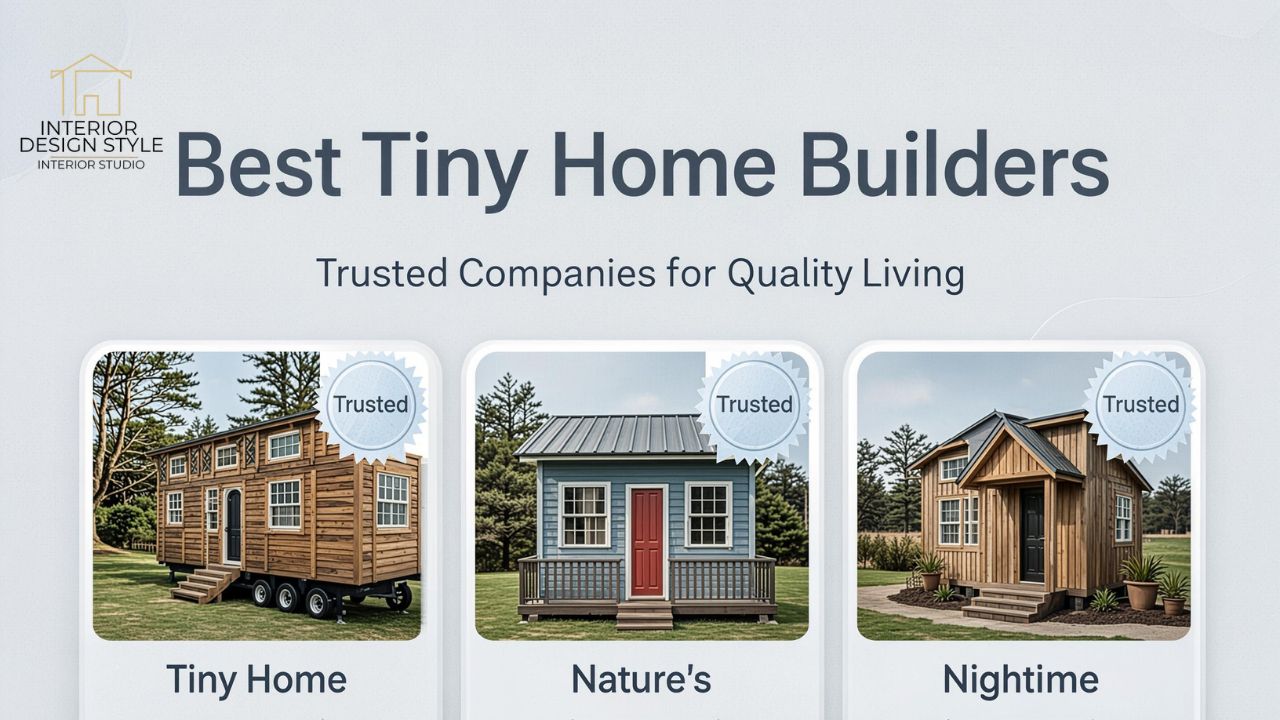
The tiny home movement isn’t just a trend anymore—it’s a lifestyle shift driven by affordability, freedom, and smarter living. Over the past decade, interest in downsized housing has surged as people look for ways to cut costs without sacrificing comfort. That’s where the best tiny home builders come into play, turning minimalist dreams into livable, beautiful realities.
Choosing the right builder matters more than most people expect. A tiny home isn’t just a smaller house; it’s a highly engineered space where every inch counts. The wrong choice can lead to layout regrets, budget overruns, or even safety issues. On the other hand, the right builder can deliver a home that feels surprisingly spacious, efficient, and built to last.
This guide breaks down everything you need to know—from how tiny home builders work to which companies consistently earn trust, praise, and repeat customers. If you’re serious about going tiny, this is the deep dive you’ll want before making any decisions.


Table of Contents
How Tiny Home Builders Actually Work
What Makes the Best Tiny Home Builders Stand Out
Types of Tiny Homes You Can Choose From
Top-Rated Tiny Home Builders in the Industry
Pricing, Financing, and Hidden Costs
Design Trends Shaping Modern Tiny Homes
Common Mistakes Buyers Make
Personal Background: Who Builds Tiny Homes and Why
FAQs
Conclusion
How Tiny Home Builders Actually Work
Tiny home builders specialize in designing and constructing compact residential structures, usually ranging between 100 and 400 square feet. Unlike traditional contractors, they focus heavily on multifunctional design, weight distribution, and code compliance—especially for homes built on wheels.
Custom vs. Prefab Construction
Custom builders design homes from scratch based on your lifestyle needs. Prefab builders, on the other hand, offer standardized models that are faster and often cheaper to produce. Both approaches can deliver quality results, but the experience differs significantly.
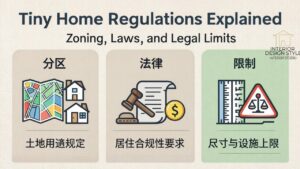
Codes, Zoning, and Legal Realities
One of the biggest challenges is zoning. Some tiny homes are classified as RVs, while others must meet residential building codes. Reputable builders guide clients through these complexities rather than leaving them to figure it out alone.
What Makes the Best Tiny Home Builders Stand Out
Not all builders are created equal. The best tiny home builders share a few non-negotiable traits that separate professionals from hobbyists.
Craftsmanship and Materials
High-quality builders use durable framing, residential-grade insulation, and energy-efficient windows. In reality, cheap materials show wear quickly in a tiny space.
Transparent Pricing
The most trusted builders provide itemized quotes. If a builder can’t explain where your money is going, that’s a red flag.
Design Expertise
Tiny homes demand creativity. Builders with in-house designers tend to produce layouts that feel open rather than cramped.
Customer Support and Warranty
Strong warranties and post-build support signal confidence. Builders who disappear after delivery often leave buyers stuck with costly fixes.
Types of Tiny Homes You Can Choose From
Tiny homes aren’t one-size-fits-all. Understanding your options helps narrow down which builder fits your needs.
Tiny Homes on Wheels (THOW)
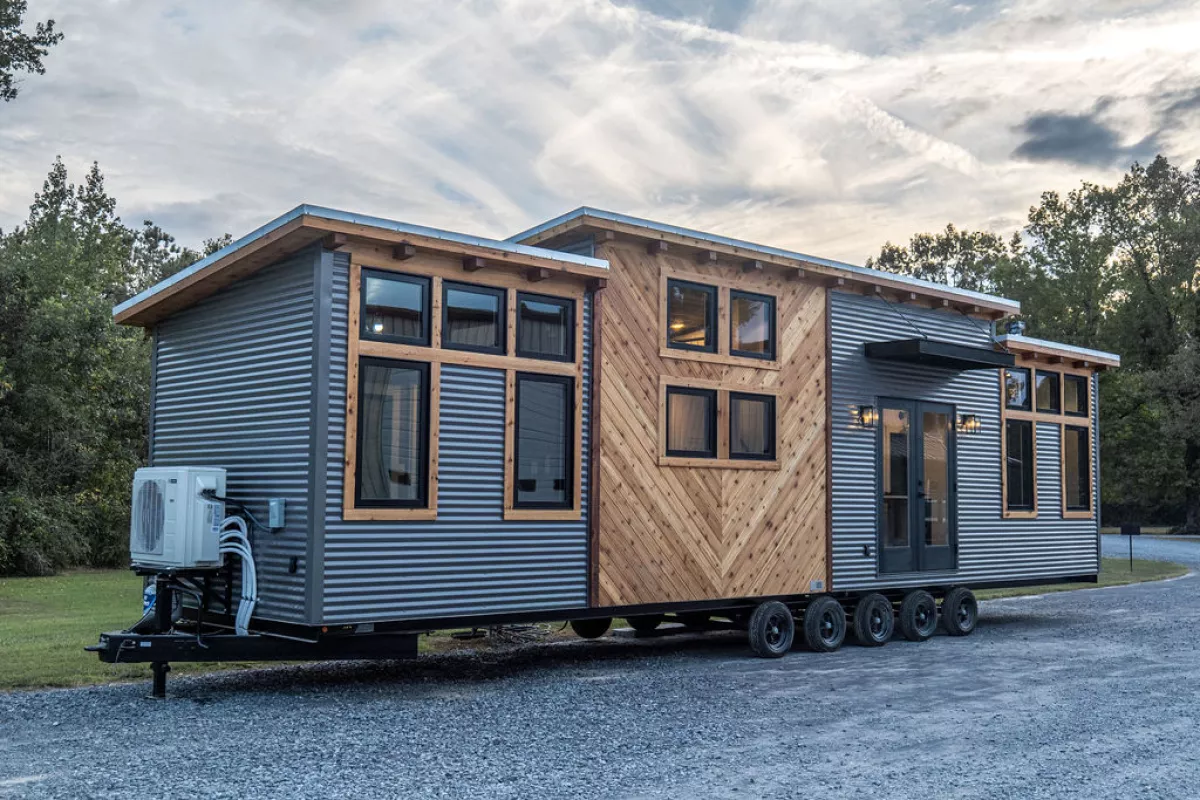
Popular for mobility and flexibility, these homes often follow RV standards. Weight distribution and towing safety are critical here.
Foundation-Based Tiny Homes
Built like traditional houses, these work well for permanent placements and often comply more easily with residential codes.
Modular Tiny Homes
Factory-built in sections, modular homes balance speed and customization. Many buyers choose this route for predictable pricing.
Off-Grid Tiny Homes
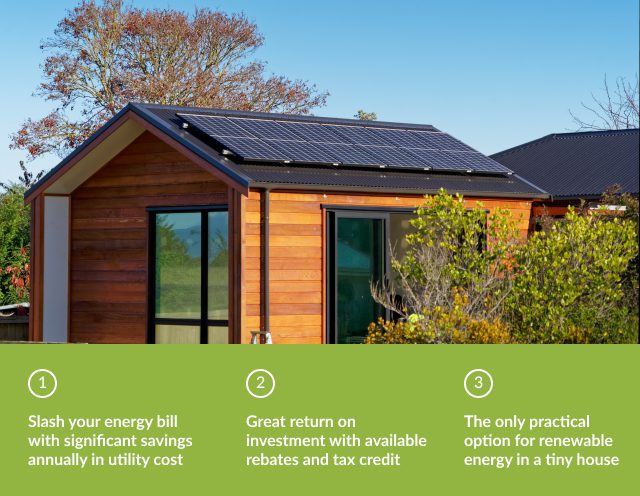
Designed with solar panels, composting toilets, and water catchment systems, these homes appeal to buyers seeking independence.

Top-Rated Tiny Home Builders in the Industry
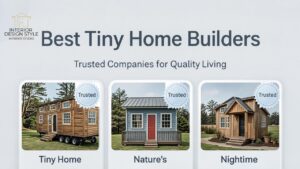
While dozens of companies exist, a handful consistently earn strong reputations based on quality, transparency, and customer satisfaction.
Tumbleweed Tiny House Company
Often credited with popularizing the modern tiny home movement, this builder offers well-tested designs and educational resources.
Escape Traveler Homes
Known for luxury finishes and spacious layouts, Escape focuses on park-model tiny homes that feel surprisingly traditional.
New Frontier Tiny Homes
This company emphasizes craftsmanship and premium materials, appealing to buyers who value durability over speed.
Mustard Seed Tiny Homes
Based on sustainability and community impact, Mustard Seed combines ethical building practices with functional design.
Mint Tiny House Company
Praised for customization options and client collaboration, Mint Tiny House Company attracts buyers who want a hands-on design process.
Pricing, Financing, and Hidden Costs
Tiny homes are often marketed as “cheap,” but the reality is more nuanced.
Average Price Ranges
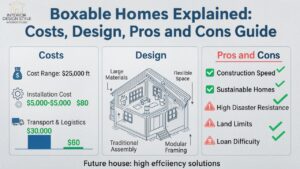
Most professionally built tiny homes range from $40,000 to $120,000 depending on size, materials, and customization.
Financing Options
Because tiny homes don’t always qualify for traditional mortgages, buyers often rely on personal loans, RV loans, or builder financing.
Hidden Costs to Watch For
Land purchase, utility hookups, permits, towing, and insurance can add up quickly. Experienced builders discuss these upfront.
Design Trends Shaping Modern Tiny Homes
Tiny home design has evolved rapidly in recent years.
Biophilic Design
Large windows, natural wood tones, and indoor plants help tiny spaces feel calm and open.
Multi-Use Furniture
Stairs that double as storage, fold-down desks, and convertible seating are now standard features.
Smart Home Integration
From app-controlled lighting to energy monitoring systems, technology plays a growing role in tiny living.


Common Mistakes Buyers Make
Even well-prepared buyers can slip up.
Underestimating Storage Needs
Minimalism sounds great—until you realize where everyday items go.
Ignoring Climate Considerations
Insulation and HVAC systems must match your local weather conditions.
Choosing Price Over Quality
In the long run, repairs often cost more than paying for quality upfront.
Personal Background: Who Builds Tiny Homes and Why
Many founders of tiny home companies started as builders or designers frustrated with traditional housing inefficiencies. Their career journeys often include construction, architecture, or sustainability work before transitioning into tiny homes. Financially, successful builders can generate seven-figure annual revenues, reflecting the growing demand for alternative housing solutions.
FAQs
What should I look for when choosing a tiny home builder?
Focus on experience, transparent pricing, warranties, and customer reviews.
Are tiny homes a good long-term investment?
While appreciation varies, lower costs and flexibility make them financially attractive for many buyers.
Can I legally live in a tiny home full-time?
This depends on local zoning laws and whether the home is on wheels or a foundation.
How long does it take to build a tiny home?
Most builds take between 8 and 24 weeks depending on complexity.
Do tiny homes hold up in extreme weather?
Well-built homes with proper insulation can perform surprisingly well.
Is financing harder for tiny homes?
It can be, but many builders offer guidance and alternative financing options.
Conclusion
Tiny living is as much about intention as it is about square footage. Choosing among the best tiny home builders isn’t just a construction decision—it’s a lifestyle choice that affects comfort, finances, and peace of mind. By understanding how builders operate, what quality looks like, and where hidden costs live, you position yourself for a smarter, more satisfying tiny home journey. Whether you’re chasing freedom, sustainability, or simplicity, the right builder can make a small space feel like a big win.