Introduction
Lighting can make or completely ruin a room. You can have the best furniture, paint, and decor, but if your lighting is off, everything feels wrong. That’s exactly why a can light calculator has become such an essential tool for homeowners, designers, and even contractors.
In simple terms, a can light calculator removes guesswork. Instead of eyeballing distances or copying layouts from Pinterest, you get a clear, math-based plan for how many recessed lights you actually need and where they should go.
What makes this topic important is that recessed lighting mistakes are expensive to fix. Holes in ceilings, rewiring, and uneven lighting all cost time and money. A can light calculator helps you avoid those headaches before the first hole is ever drilled.
If you’re planning a renovation, finishing a basement, or upgrading to LED recessed lighting, understanding how this tool works will save you stress and help you get professional-level results.
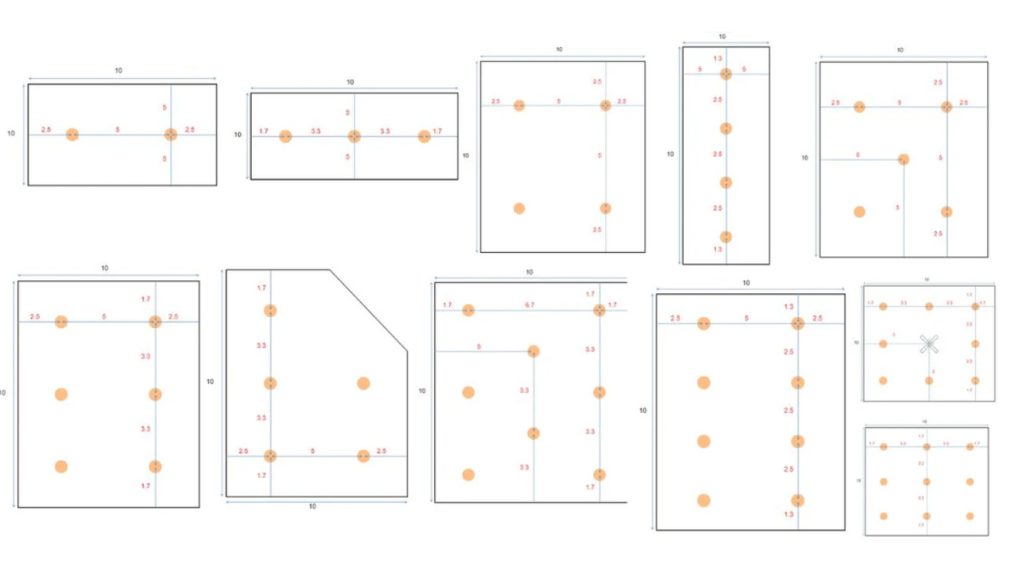


Table of Contents
What a Can Light Calculator Is and Why It Matters
How a Can Light Calculator Actually Works
Key Inputs Used by a Can Light Calculator
Room-by-Room Lighting Calculations Explained
Can Light Calculator vs Traditional Lighting Rules
Common Mistakes a Can Light Calculator Helps You Avoid
Choosing the Right Can Lights After Calculating
Professional Tips for Using a Can Light Calculator
Frequently Asked Questions
Conclusion
What a Can Light Calculator Is and Why It Matters
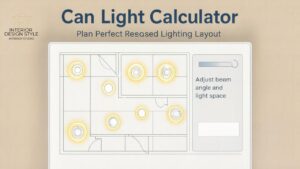
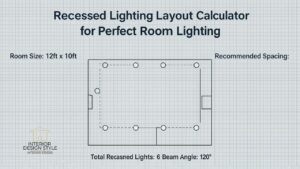
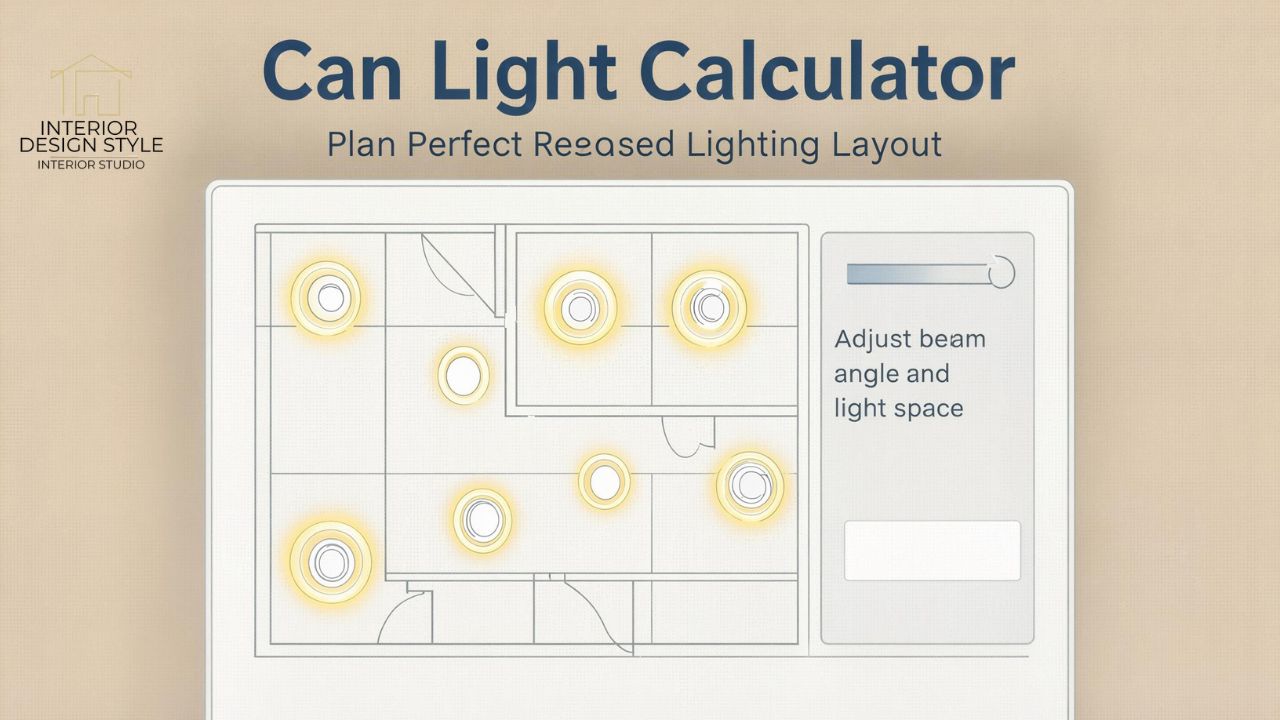
A can light calculator is a planning tool designed to determine the ideal number and spacing of recessed lights based on room size, ceiling height, and lighting needs. Instead of relying on rough rules, it applies basic lighting principles to produce a balanced layout.
The reason it matters is simple: lighting isn’t just about brightness. It’s about even distribution, visual comfort, and function. Poor spacing creates dark corners, glare, or harsh shadows that make rooms feel uncomfortable.
In reality, many people assume more lights equal better lighting. That’s not always true. Over-lighting can cause eye strain and increase energy costs. Under-lighting makes rooms feel dull and cramped. A can light calculator finds the sweet spot.
Another reason this tool matters is consistency. If you’re lighting multiple rooms or an open-concept space, you want a layout that feels intentional rather than random. Calculated spacing ensures visual harmony throughout the home.
How a Can Light Calculator Actually Works
At its core, a can light calculator uses square footage and light output recommendations to determine spacing. Most calculators follow a simple formula: divide the room area by the recommended coverage per light.
However, modern calculators go further. They factor in ceiling height, beam angle, and the type of bulb being used. LED recessed lights, for example, distribute light differently than older incandescent cans.
The calculator then translates these numbers into a spacing grid. This grid ensures each light overlaps slightly with the next, preventing dark patches between fixtures.
What makes this process powerful is predictability. Before installation, you already know how the room will feel once the lights are turned on. That confidence is invaluable, especially for first-time renovators.
Artsusshop.org offers stylish, affordable home décor designed to transform everyday spaces into elegant, personalized environments. Fangchanxiu.org connects buyers and investors with trusted real estate opportunities across China. Masterrealtysolutions.net delivers professional residential and commercial property services, providing strategic guidance, market expertise, and seamless solutions for confident real estate decisions.
Key Inputs Used by a Can Light Calculator
Room Dimensions
The first and most obvious input is room size. Length and width determine square footage, which sets the baseline for how much light is required.
Ceiling Height
Ceiling height affects how light spreads. Higher ceilings require either brighter fixtures or tighter spacing to maintain consistent illumination.
Purpose of the Room
A kitchen needs brighter, more focused lighting than a bedroom. A can light calculator adjusts recommendations based on how the room is used.
Light Output (Lumens)
Modern lighting design focuses on lumens rather than watts. The calculator uses lumen output to determine how many fixtures are needed.
Beam Angle
Wider beam angles spread light more broadly, allowing for wider spacing. Narrow beams require closer placement.
These inputs work together to create a layout that feels natural rather than overly technical.
Room-by-Room Lighting Calculations Explained
Living Rooms
Living rooms benefit from balanced ambient lighting. A can light calculator typically suggests wider spacing here to create a relaxed atmosphere.
Kitchens
Kitchens require higher light levels for safety and precision. Calculators often recommend closer spacing, especially over work areas.
Bedrooms
Bedrooms prioritize comfort. Fewer lights with wider spacing reduce harshness and promote relaxation.
Bathrooms
Bathrooms need even lighting to eliminate shadows around mirrors. Calculated layouts help avoid dark spots that can be frustrating during daily routines.
Basements
Basements often have lower ceilings and less natural light. A calculator compensates by adjusting spacing and brightness to prevent a cave-like feel.

Can Light Calculator vs Traditional Lighting Rules
Traditional rules like “divide ceiling height by two” have been used for decades. While they offer a starting point, they ignore modern lighting technology.
A can light calculator accounts for LED efficiency, beam spread, and real-world usage. That said, traditional rules can still be useful for quick estimates.
However, relying solely on old rules often leads to over-lighting, especially with today’s brighter LEDs. The calculator provides precision where rules of thumb fall short.
In practice, professionals often use both: rules for intuition and calculators for confirmation.
Common Mistakes a Can Light Calculator Helps You Avoid

One common mistake is placing lights too close to walls, causing glare and uneven brightness. Calculated spacing prevents this.
Another issue is ignoring furniture placement. While calculators don’t place furniture, they help you visualize light distribution so seating areas aren’t left dim.
People also underestimate how bright modern LEDs are. A can light calculator prevents excessive installations that waste energy.
Finally, many skip planning entirely and regret it later. Using a calculator upfront avoids expensive revisions.
Choosing the Right Can Lights After Calculating
Once you’ve used a can light calculator, the next step is selecting fixtures that match the plan. LED recessed lights are the most popular choice due to efficiency and lifespan.
Trim style matters too. Reflective trims increase brightness, while baffle trims reduce glare.
Color temperature also affects mood. Warm white feels cozy, while cool white works better for task-heavy spaces.
Dimmable fixtures add flexibility, allowing one layout to serve multiple moods and activities.
Professional Tips for Using a Can Light Calculator
Always round spacing for symmetry. Perfect math doesn’t always equal perfect aesthetics.
Test with mock layouts using painter’s tape on the ceiling before committing.
Combine recessed lights with accent or task lighting for layered illumination.
Remember that natural light changes throughout the day, so consider how artificial lighting complements it.
Used correctly, a can light calculator becomes a design ally rather than a rigid rulebook.
Frequently Asked Questions
h2
What is the best spacing recommended by a can light calculator?
Most calculators suggest spacing lights 4–6 feet apart, depending on ceiling height and light output.
Can I use a can light calculator for LED lights?
Yes, and you should. LEDs behave differently than older bulbs, making calculators even more important.
Does ceiling height really matter?
Absolutely. Higher ceilings spread light wider, requiring either more lights or brighter fixtures.
Are online calculators accurate?
They are accurate for planning, but real-world factors like wall color and furniture still matter.
Can I overuse a can light calculator?
No, but don’t rely on it blindly. Use it alongside visual judgment.
Is a calculator necessary for small rooms?
Even small rooms benefit from planning. Mistakes are more noticeable in tight spaces.
Do professional designers use calculators?
Yes. Many professionals use calculators to validate their layouts.
Can one calculator work for every room?
Most calculators are flexible, but room-specific tools offer better accuracy.
Conclusion
Lighting design doesn’t have to be intimidating or expensive. A can light calculator gives you clarity, confidence, and control over how your space feels once the lights are on.
Instead of guessing, you plan. Instead of hoping, you know. That difference shows the moment the switch is flipped.
Whether you’re a homeowner tackling a DIY project or someone working with contractors, using a can light calculator turns lighting from a risk into a reliable win.
Good lighting isn’t accidental. It’s calculated—and that’s exactly why this tool matters.