Introduction
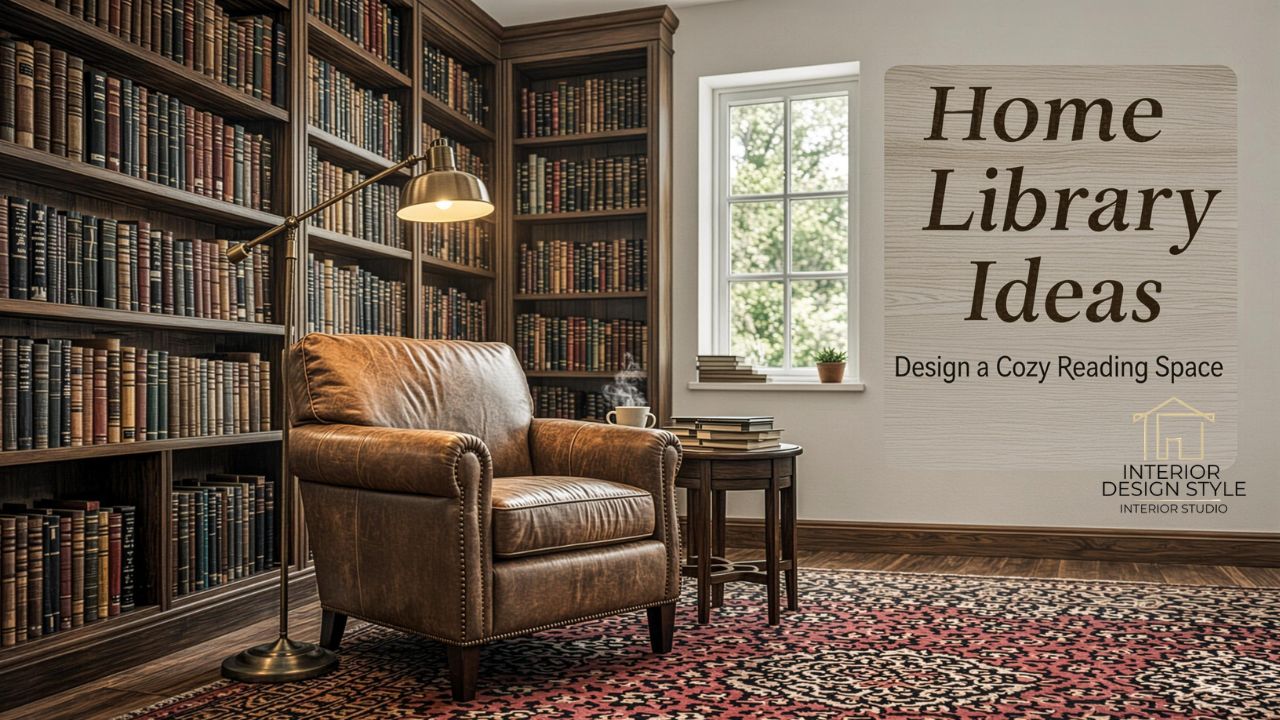
There’s something quietly magical about a home library—a space where time slows down, distractions fade, and stories come alive. Whether it’s a full room lined with shelves or a small corner with a comfy chair, creating your own reading sanctuary can completely change how you experience books.
In today’s fast-paced world, having a home library isn’t just about aesthetics—it’s about reclaiming focus, building a habit of reading, and carving out a personal retreat. Even a modest setup can feel luxurious when it’s thoughtfully designed.
Imagine walking into a room where your favorite titles are within reach, the lighting is just right, and everything feels intentionally yours. That’s the power of designing a space that reflects your personality and passions.

What Is a Home Library?
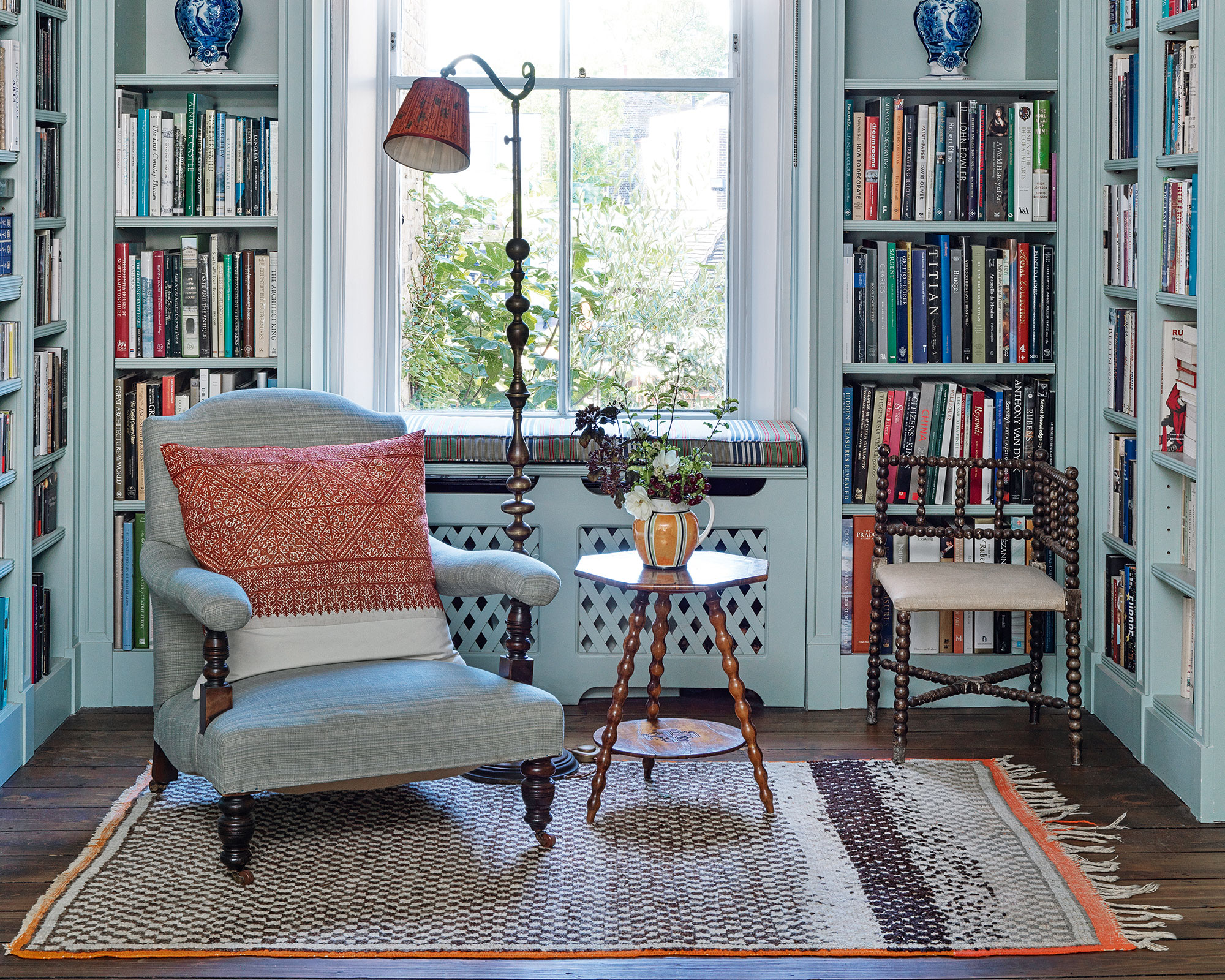
A home library is a dedicated space in your home where books are stored, displayed, and enjoyed. It can range from a full room with floor-to-ceiling shelves to a compact reading nook tucked into a quiet corner.
At its core, it’s not just about books—it’s about creating an environment that encourages reading, learning, and relaxation.
Key Characteristics
- Organized book storage
- Comfortable seating
- Adequate lighting
- Personalized decor
Benefits of Creating a Home Library
Building a home library goes beyond interior design—it’s an investment in your mental well-being and lifestyle.
1. Encourages Reading Habits
When books are visible and accessible, you’re naturally more inclined to read regularly.
2. Reduces Screen Time
A dedicated reading space helps you disconnect from devices and reconnect with meaningful content.
3. Enhances Home Value
A well-designed library can add aesthetic and functional appeal to your home.
4. Creates a Personal Retreat
It becomes your go-to place for relaxation, creativity, and focus.
Planning Your Home Library Space
Before buying shelves or books, planning is crucial. The best home library designs start with intentional choices.
Choosing the Right Location
- Spare room
- Living room corner
- Bedroom wall
- Under-stair space
Measuring and Layout
Take precise measurements and consider:
- Wall height
- Natural light sources
- Electrical outlets
Defining Your Purpose
Ask yourself:
- Will it be a quiet reading zone?
- A study/work space?
- A decorative feature?
Designing a Functional Home Library
A well-designed home library balances beauty and practicality.
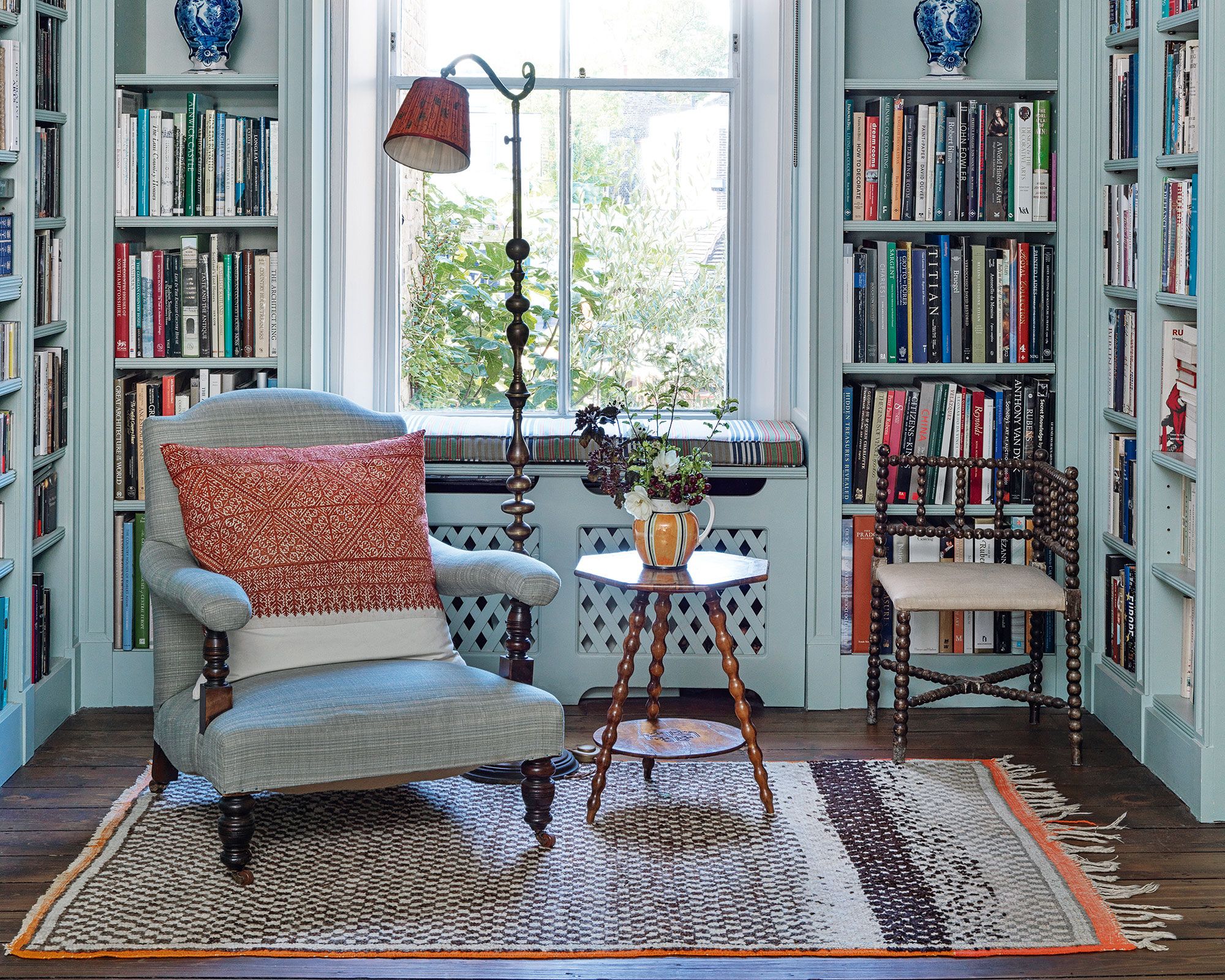
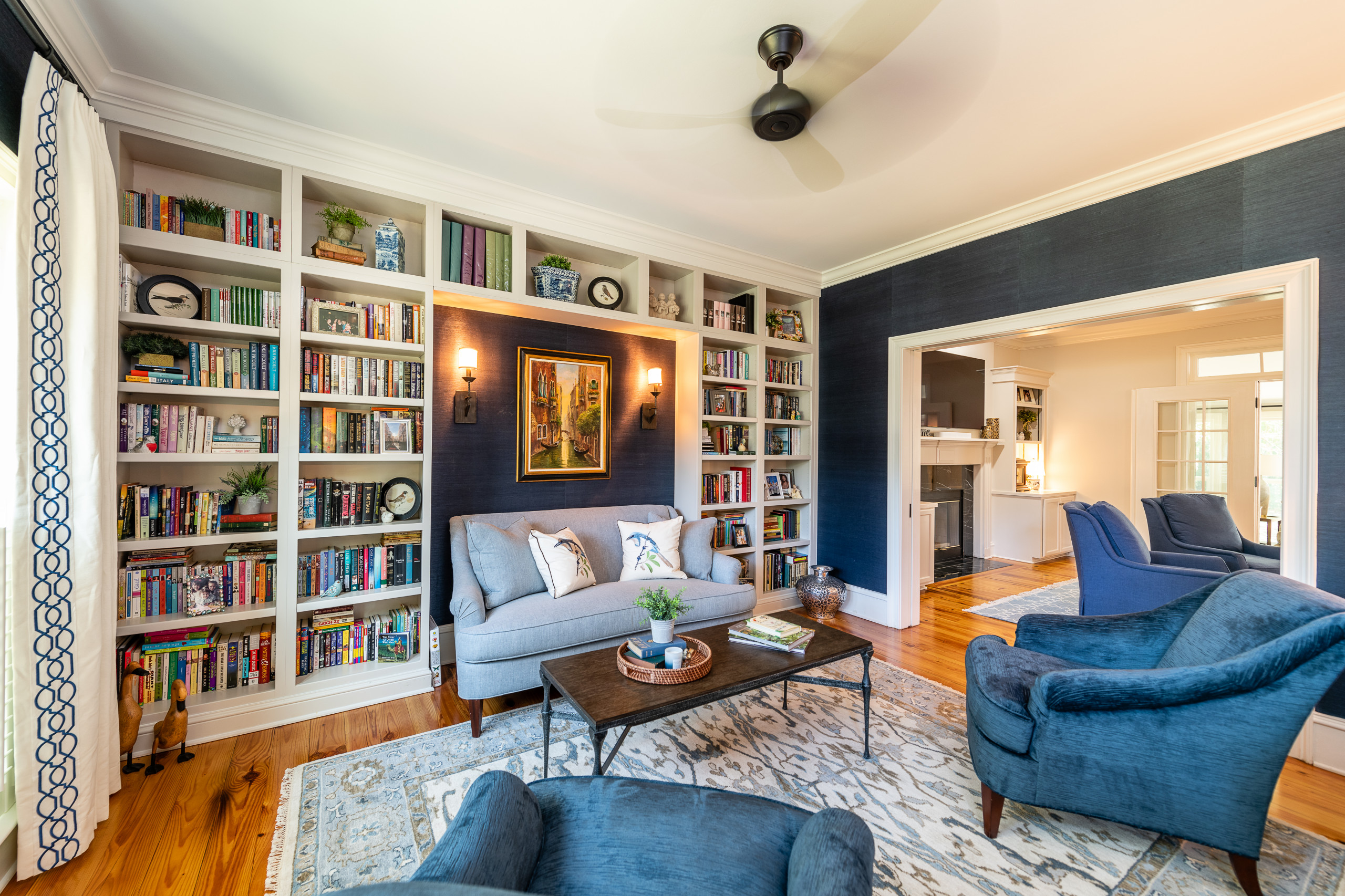
Layout Styles
Wall-to-Wall Shelving
Perfect for book lovers with large collections.
Corner Library
Ideal for small homes or apartments.
Open Concept Library
Blends seamlessly with living spaces.
Furniture and Layout Essentials
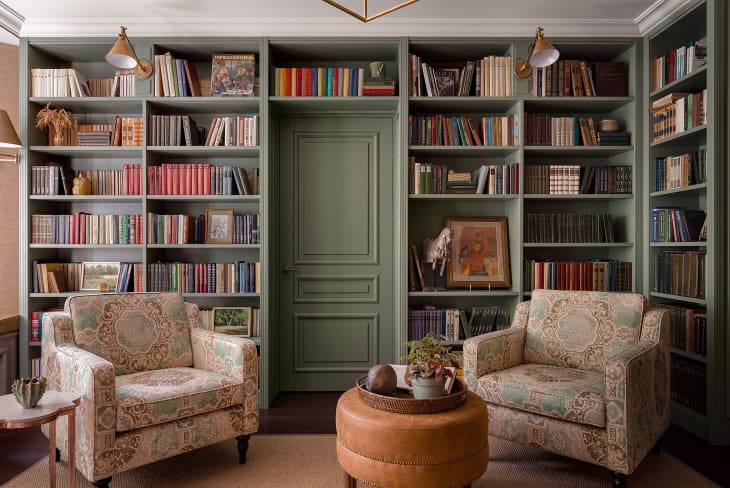
The right furniture transforms a basic setup into a comfortable home library.
Must-Have Furniture
- Comfortable reading chair
- Adjustable desk (optional)
- Bookshelves or cabinets
- Side table for drinks or notes
Layout Tips
- Keep pathways clear
- Place seating near natural light
- Avoid overcrowding
Storage and Organization Ideas
A clutter-free home library feels more inviting and functional.
Smart Storage Solutions
- Floating shelves
- Built-in cabinets
- Ladder shelving
- Hidden storage benches
Organization Methods
- Alphabetical order
- Genre-based sorting
- Color-coded shelves (aesthetic approach)
Lighting Tips for a Home Library
Lighting can make or break your home library experience.
Types of Lighting
Ambient Lighting
Soft overhead lighting for overall visibility.
Task Lighting
Reading lamps or wall lights for focused reading.
Accent Lighting
Highlights shelves and adds ambiance.
Pro Tip
Warm lighting (2700K–3000K) creates a cozy, inviting atmosphere.
Personalizing Your Reading Space
This is where your home library truly becomes yours.
Add Personal Touches
- Artwork or framed quotes
- Plants for freshness
- Rugs for warmth
- Scented candles
Make It Emotional
Include books that shaped your life or remind you of meaningful moments.
Budget-Friendly Home Library Ideas
You don’t need a huge budget to build a stunning home library.
Affordable Ideas
- Repurpose old furniture
- Use DIY shelves
- Shop second-hand bookstores
- Create a minimalist reading corner
Example Budget Breakdown
| Item | Estimated Cost |
|---|---|
| Bookshelf | $50–$150 |
| Reading Chair | $80–$200 |
| Lighting | $20–$60 |
| Decor | $30–$100 |
Personal Background: The Rise of Home Libraries
The concept of a home library has evolved significantly over time. Historically, private libraries were a symbol of wealth and intellectual status, often found in grand estates and mansions.
However, in recent years—especially after the global shift toward remote work—home libraries have become more accessible and practical. People are increasingly investing in spaces that support focus, learning, and personal growth.
Career & Lifestyle Influence
Professionals, writers, and students now prioritize having a dedicated reading or study area. This shift reflects a broader cultural movement toward mindful living.
Achievements & Trends
- Increased book sales globally
- Rise in minimalist and small-space libraries
- Popularity of aesthetic reading setups on social media
Financial Insight
While luxury home libraries can cost thousands, a functional and beautiful setup can be achieved for under $300, making it accessible to most households.
Visual Inspiration (Infographic)

FAQ
What is the ideal size for a home library?
There’s no fixed size. Even a small corner can function as a home library if designed efficiently.
How many books should a home library have?
It depends on your preference. Some people start with 20–30 books, while others have hundreds.
Can I create a home library in a small apartment?
Absolutely. Use vertical space, floating shelves, and compact furniture.
What type of lighting is best for reading?
Warm, soft lighting combined with a focused reading lamp works best.
How do I organize books in a home library?
You can organize by genre, author, or even color for a visually pleasing effect.
Is a home library expensive to build?
Not necessarily. Budget-friendly options like DIY shelves and second-hand books make it affordable.
How do I make my home library cozy?
Add soft textures, warm lighting, and personal decor like cushions and rugs.
Can a home library increase productivity?
Yes, a dedicated reading or study space improves focus and reduces distractions.
Conclusion
Creating a home library is one of the most rewarding ways to transform your living space. It’s not just about books—it’s about building a sanctuary that reflects your personality, supports your goals, and offers a peaceful escape from daily chaos.
Whether you start small or go all out, the key is intention. Design it for yourself, fill it with what you love, and let it evolve over time. In the end, your home library becomes more than a room—it becomes a part of your story.