
When you walk into a kitchen, what’s the first thing that invites you to sit down and stay a while? Surprisingly, it’s not always the food. It’s the seating. Kitchen chairs quietly shape how comfortable, stylish, and welcoming your space feels.
Whether you’re enjoying a rushed weekday breakfast or hosting friends for a cozy dinner, the right kitchen chairs make all the difference. They’re not just functional pieces of furniture—they set the tone for conversation, comfort, and connection. Choosing wisely means blending durability, design, and everyday practicality.

In reality, many homeowners underestimate how much thought should go into selecting seating. However, a mismatched chair can ruin your kitchen’s flow, while a well-chosen one elevates the entire room. Let’s explore everything you need to know before investing in your next set.
Understanding Kitchen Chairs
At their core, kitchen chairs are designed for daily dining and casual gatherings. Unlike formal dining chairs, they’re typically built for frequent use, easy cleaning, and long-term durability.
What Defines Kitchen Chairs?
Kitchen chairs are seating pieces specifically designed for kitchen tables, breakfast nooks, and casual dining areas. They often prioritize:
- Practicality
- Easy maintenance
- Space efficiency
- Everyday comfort
That said, today’s designs blur the line between kitchen and dining room furniture. Many modern homes use the same chairs across open-plan spaces, making aesthetics just as important as function.
Types of Kitchen Chairs for Every Home
Choosing the right style depends on your layout, lifestyle, and design preferences.
1. Wooden Kitchen Chairs
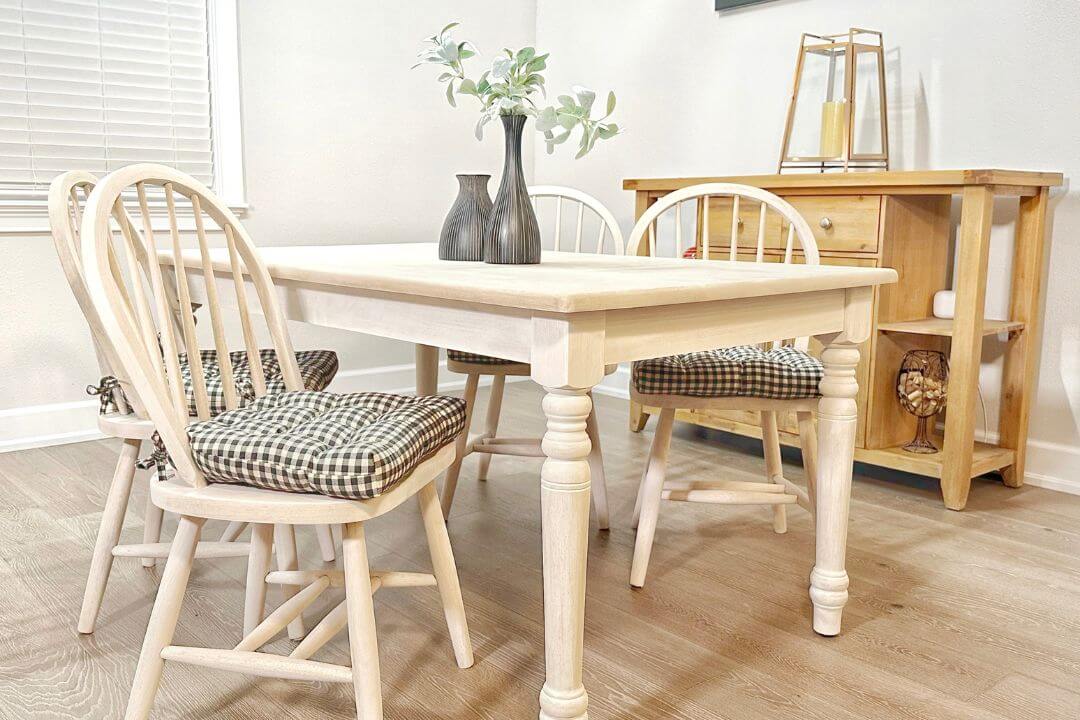
Classic, timeless, and sturdy. Solid wood chairs are ideal for farmhouse, traditional, and Scandinavian interiors. Oak, maple, and walnut remain popular choices due to durability.
Pros:
- Long lifespan
- Natural warmth
- Easy to refinish
Cons:
- Can feel hard without cushions
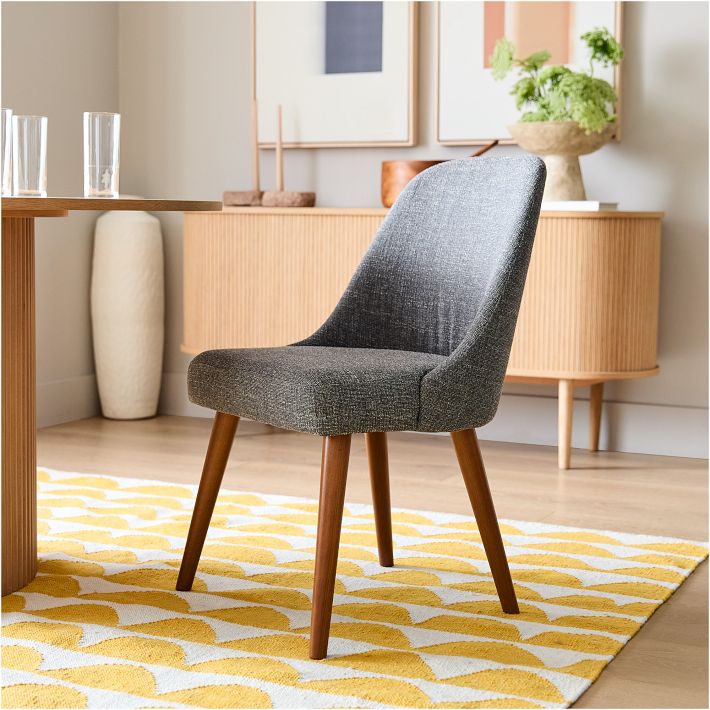
2. Upholstered Kitchen Chairs
If comfort tops your list, upholstered options offer padded seats and backs.
They’re ideal for:
- Long family dinners
- Open-concept spaces
- Contemporary kitchens
However, spills can be an issue. Performance fabrics and stain-resistant materials are increasingly common solutions.
3. Metal and Industrial Chairs
Perfect for loft-style or modern homes. Metal seating adds a sleek, urban vibe.
Benefits include:
- Easy cleaning
- High durability
- Lightweight design
4. Plastic or Molded Chairs
Affordable and versatile, molded chairs work well in small kitchens. They’re often stackable and lightweight.
5. Bench Seating (Hybrid Option)
Though technically not chairs, benches often replace one side of a table. They maximize seating in compact kitchens.
Materials Used in Kitchen Chairs
Material choice impacts comfort, maintenance, and longevity.
Wood
Solid hardwood lasts decades. Engineered wood is more affordable but less durable.
Metal
Powder-coated steel and aluminum resist corrosion and scratches.
Upholstery
Options include:
- Cotton blends
- Polyester
- Faux leather
- Genuine leather
Plastic & Polypropylene
Lightweight, modern, and budget-friendly.
Here’s a quick comparison:
| Material | Durability | Maintenance | Comfort | Cost |
|---|---|---|---|---|
| Solid Wood | High | Medium | Medium | $$–$$$ |
| Metal | Very High | Low | Medium | $$ |
| Upholstered | Medium | Medium | High | $$–$$$ |
| Plastic | Medium | Very Low | Medium | $ |
Comfort and Ergonomics Explained
Comfort isn’t just about cushions. Proper ergonomics ensure better posture and reduced strain.
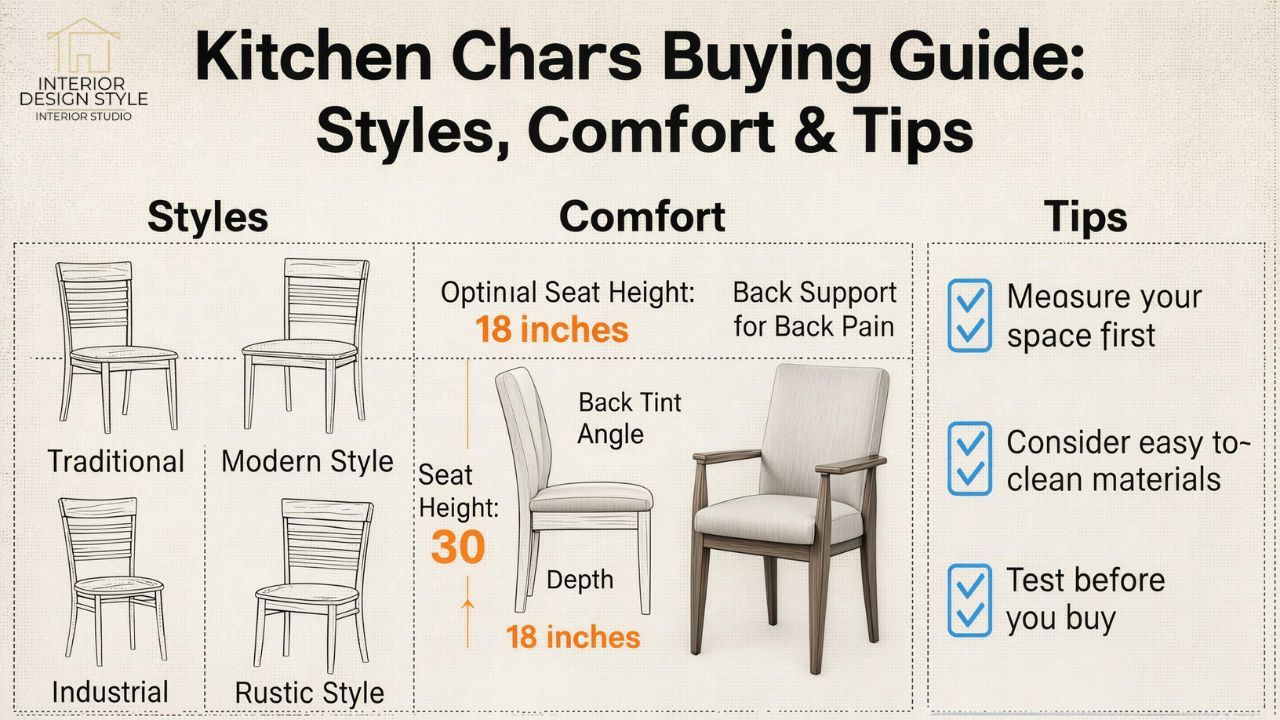
Ideal Dimensions
- Seat height: 17–19 inches
- Seat depth: 16–18 inches
- Backrest height: 12–16 inches above seat
That said, always measure your table first. Standard kitchen tables are about 28–30 inches high.
Back Support Matters
Chairs with slightly angled backrests reduce fatigue. For homes where meals turn into long conversations, this detail is crucial.
I once worked with a family who replaced their rigid wooden seats with cushioned, ergonomic chairs. The difference? They went from 20-minute dinners to lingering hour-long family discussions.
Measuring and Sizing Guide
Before purchasing kitchen chairs, measure carefully.
Step-by-Step Guide
- Measure table height
- Allow 10–12 inches between seat and tabletop
- Leave at least 6 inches between chairs
- Ensure 24 inches per person at the table
Small kitchens benefit from armless chairs. They tuck neatly under the table.
Style Trends in Kitchen Chairs
Trends evolve, but comfort and functionality remain timeless.
Minimalist Modern
Clean lines, neutral tones, and slim profiles dominate contemporary spaces.
Farmhouse Chic
White painted wood, distressed finishes, and ladder-back designs remain favorites.
Mid-Century Revival
Tapered legs and curved backs are making a strong comeback.
Bold Accent Seating
Some homeowners mix chair styles for a curated look—two head chairs in velvet, for example, paired with simpler side chairs.
Budgeting and Long-Term Value
Quality kitchen chairs are an investment. While budget options start around $40 per chair, premium models can exceed $300 each.
What Affects Price?
- Material quality
- Brand reputation
- Craftsmanship
- Upholstery type
Spending more upfront often reduces replacement costs later. Solid hardwood chairs can last 15–20 years with proper care.
Maintenance and Care Tips
Keeping your seating in top condition ensures longevity.
Wood Care
- Dust weekly
- Avoid excess moisture
- Use furniture polish occasionally
Upholstery Care
- Vacuum regularly
- Use fabric protector spray
- Spot clean immediately
Metal Care
- Wipe with damp cloth
- Check for rust in humid climates
Personal Background: The Evolution of Kitchen Seating
Historically, kitchens were purely functional spaces. In the early 20th century, seating was minimal—often simple wooden stools.
Post-World War II suburban expansion changed everything. As open-plan homes became popular, the kitchen transformed into a social hub. Furniture design followed suit.
Today’s kitchen chairs reflect that evolution. Designers combine ergonomic science, sustainable materials, and aesthetic trends. The global furniture market itself surpassed $700 billion in recent years, with dining and kitchen seating representing a significant share.
Financially, investing in high-quality seating often adds resale appeal to homes. Well-designed kitchens consistently rank among top features buyers prioritize.
FAQs
What is the ideal height for kitchen chairs?
Most kitchen chairs have seat heights between 17–19 inches, suitable for 28–30 inch tables.
How many kitchen chairs should fit around a standard table?
A 60-inch rectangular table comfortably seats six, while a 48-inch round table seats four.
Are upholstered kitchen chairs practical for families?
Yes, especially with stain-resistant fabrics. However, they require more maintenance than wood or metal.
What material lasts the longest?
Solid hardwood and metal typically offer the highest durability.
Should kitchen chairs have arms?
Armless designs save space. Armchairs work better at table ends.
How do I protect floors from chair scratches?
Use felt pads under chair legs to prevent damage.
Can I mix different kitchen chairs?
Absolutely. Mixing styles creates visual interest while maintaining cohesion through color or material.
How long should quality kitchen chairs last?
With proper care, well-made chairs can last 15–20 years or more.
Conclusion
Choosing the right kitchen chairs is about more than filling space around a table. It’s about shaping experiences—quiet breakfasts, homework sessions, holiday feasts, and heartfelt conversations.
The perfect chairs balance durability, comfort, and style. They reflect your personality while standing up to everyday life. Take time to measure carefully, compare materials, and imagine how your space feels when family and friends gather around.
Because in the end, the best kitchen chairs aren’t just furniture—they’re where life happens.