Introduction
Lighting can make or break a room. You might have beautiful furniture, fresh paint, and a great layout—but if the lighting feels off, the space never quite works. That’s exactly where a recessed lights calculator becomes a quiet hero in modern home design.
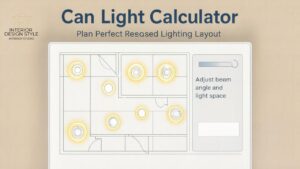
A recessed lights calculator helps you figure out how many lights you actually need, where to place them, and how far apart they should be. Instead of guessing or copying someone else’s setup, you’re working with real measurements, real light output, and real results.
In reality, most lighting mistakes happen before the first hole is cut in the ceiling. Too many lights create glare and eye strain. Too few leave dark corners and uneven shadows. A simple calculator prevents both—and saves money, time, and frustration.
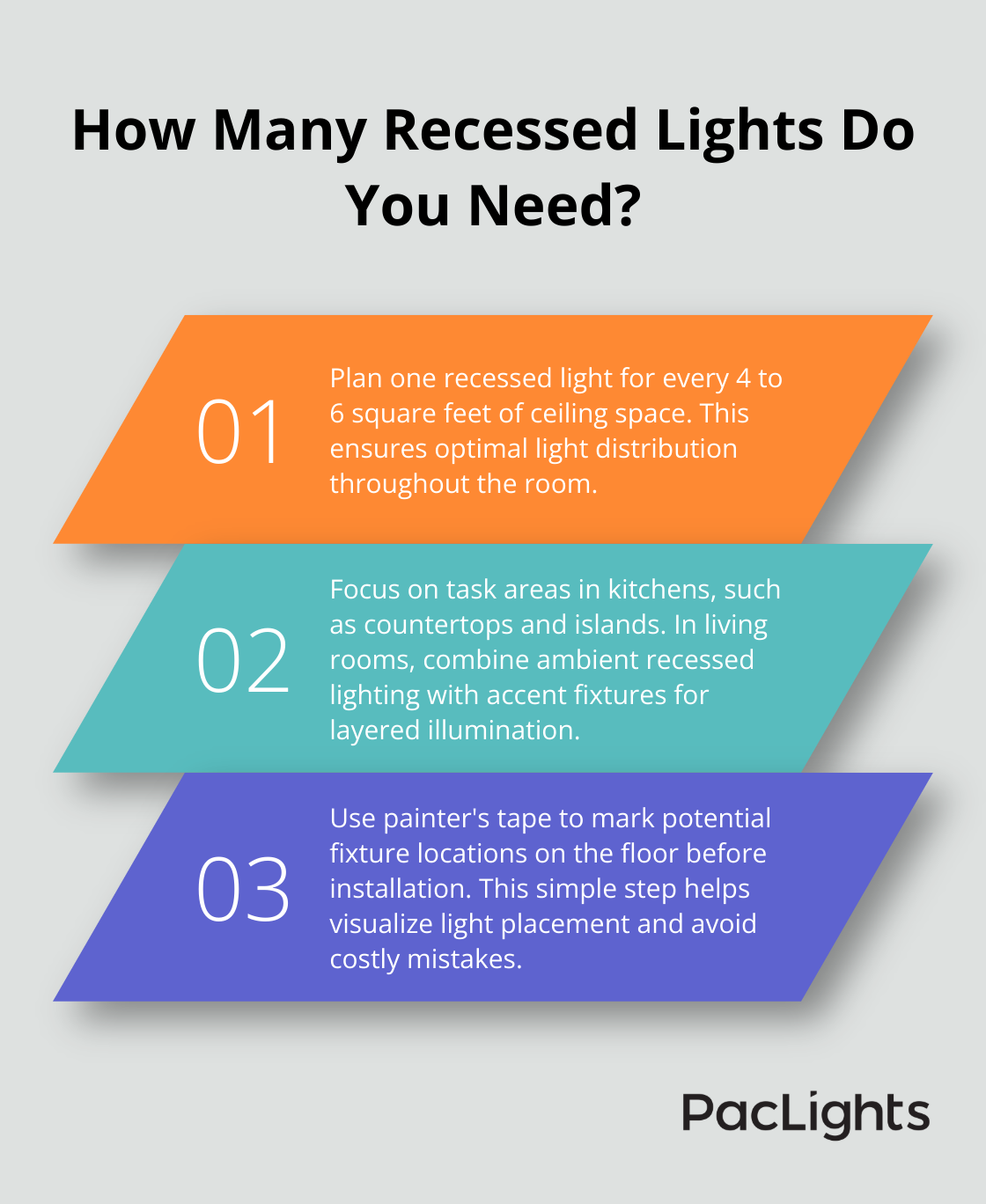

Table of Contents
What a Recessed Lights Calculator Is and Why It Matters
How a Recessed Lights Calculator Actually Works
Key Factors That Affect Recessed Lighting Calculations
Room-by-Room Recessed Lighting Calculations
Recessed Light Spacing Rules Explained
Lumens, Watts, and Color Temperature Simplified
Common Mistakes People Make Without a Calculator
How to Use a Recessed Lights Calculator Step by Step
When to Adjust Calculator Results for Real Life
FAQs About Recessed Lights Calculator
Conclusion
What a Recessed Lights Calculator Is and Why It Matters
A recessed lights calculator is a planning tool that determines the number, spacing, and placement of recessed lights based on room size, ceiling height, and lighting needs. Instead of relying on rough estimates, it uses math and lighting principles to guide decisions.
However, it’s not just about numbers. Lighting affects mood, productivity, comfort, and even how large a room feels. Poor lighting can make a spacious room feel cramped, while proper recessed lighting can visually open it up.
That said, recessed lighting is permanent. Once installed, fixing mistakes is expensive and messy. A calculator reduces that risk by helping you design the lighting correctly before installation begins.
How a Recessed Lights Calculator Actually Works
At its core, a recessed lights calculator uses room dimensions and light output values to estimate coverage. Most calculators rely on three basic inputs:
- Room length and width
- Ceiling height
- Desired brightness level
From there, it calculates total square footage and divides it by the effective coverage area of each recessed light. The result is a recommended number of fixtures and spacing pattern.
Some advanced calculators also consider beam angle, lumens per fixture, and room function. For example, a kitchen requires brighter, more focused lighting than a bedroom, even if both rooms are the same size.
Key Factors That Affect Recessed Lighting Calculations
Room Size and Shape
Square rooms are easier to light evenly. Rectangular or L-shaped rooms may require custom spacing rather than perfectly even rows. A recessed lights calculator helps adapt layouts to odd shapes without leaving dark zones.
Ceiling Height
Higher ceilings spread light more widely but reduce brightness at floor level. Rooms with 9–10 ft ceilings often need either more lights or higher-lumen fixtures than standard 8 ft ceilings.
Purpose of the Room
Lighting needs change based on use. Task-heavy spaces like kitchens and offices need brighter, more focused lighting. Relaxation spaces like living rooms benefit from softer, layered light.
Fixture Type and Beam Angle
Not all recessed lights behave the same. Narrow beam angles create spotlight effects, while wide beams spread light evenly. A good calculator factors this in to prevent harsh lighting.
Room-by-Room Recessed Lighting Calculations
Living Rooms
Living rooms need balance. Too much light kills ambiance; too little feels gloomy. Most calculators recommend one recessed light per 40–50 square feet, depending on ceiling height.
Kitchens
Kitchens are task-driven. Between cooking, prepping, and cleaning, brightness matters. A recessed lights calculator usually suggests one light per 25–30 square feet, plus additional task lighting over counters and islands.
Bedrooms
Bedrooms benefit from softer lighting. Calculators often reduce the number of fixtures here, spacing them wider and pairing them with dimmers for flexibility.
Bathrooms
Bathrooms require focused lighting around mirrors and showers. Calculators help prevent shadows on faces by recommending symmetrical placement rather than a single center light.
Recessed Light Spacing Rules Explained
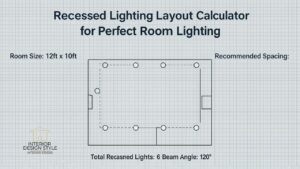
One common rule of thumb is spacing recessed lights at half the ceiling height. For an 8 ft ceiling, that means about 4 ft apart. However, this rule isn’t perfect.
A recessed lights calculator refines spacing by accounting for lumens, beam spread, and room width. In reality, spacing may range from 3 to 6 feet depending on the fixture and application.
On the other hand, wall spacing matters too. Lights placed too close to walls cause glare, while lights placed too far leave walls dark and flat. Most calculators suggest keeping lights 2–3 ft from walls.
Lumens, Watts, and Color Temperature Simplified
Lumens Over Watts
Modern lighting design focuses on lumens, not watts. Lumens measure brightness, while watts measure energy use. A recessed lights calculator works primarily with lumens to ensure proper illumination.
Color Temperature
Measured in Kelvins, color temperature affects mood:
- 2700K–3000K: warm, cozy
- 3500K–4000K: neutral and balanced
- 5000K+: bright and energetic
Choosing the wrong color temperature can make even well-spaced lights feel uncomfortable.
CRI (Color Rendering Index)
High CRI lighting (90+) makes colors appear more natural. While not always included in calculators, it’s worth considering, especially in kitchens and bathrooms.
Common Mistakes People Make Without a Calculator
Skipping a recessed lights calculator often leads to predictable problems:
- Overlighting small rooms
- Underlighting large or dark spaces
- Uneven spacing that looks amateur
- Ignoring ceiling height adjustments
- Forgetting room purpose
These mistakes don’t just affect aesthetics. They increase energy costs and reduce comfort over time.
How to Use a Recessed Lights Calculator Step by Step
- Measure room length and width accurately
- Note ceiling height
- Choose room type or purpose
- Select fixture type and lumen output
- Review recommended number of lights
- Adjust spacing based on furniture layout
- Save or sketch the layout before installation
Using a recessed lights calculator during planning helps coordinate electricians, designers, and homeowners on the same page.
When to Adjust Calculator Results for Real Life
Calculators are guides, not rigid rules. You may need adjustments when:
- Using dimmers
- Combining recessed lights with lamps or pendants
- Highlighting artwork or architectural features
- Dealing with dark wall colors that absorb light
In these cases, treat calculator results as a baseline, then tweak based on design goals.
FAQs About Recessed Lights Calculator
What does a recessed lights calculator do?
It estimates the number and spacing of recessed lights needed for a room based on size, ceiling height, and brightness needs.
Is a recessed lights calculator accurate?
Yes, for general planning. Final adjustments may be needed based on furniture, wall color, and fixture type.
How many recessed lights do I need per square foot?
Typically one light per 30–50 square feet, depending on room function and ceiling height.
Can I use one calculator for every room?
You can, but room purpose matters. Kitchens, bathrooms, and offices require different brightness levels.
Do recessed lights calculators consider LED fixtures?
Most modern calculators are optimized for LED lumens and beam angles.
Should I follow calculator spacing exactly?
Use it as a guide. Adjust slightly for symmetry, furniture placement, and design preferences.
Are recessed lights calculators free to use?
Many online tools are free and easy to use, making them accessible for homeowners and professionals.
Do calculators replace professional lighting design?
They don’t replace experts, but they dramatically reduce guesswork and costly errors.
Conclusion
Lighting isn’t just technical—it’s emotional. The right setup makes a home feel welcoming, functional, and intentional. A recessed lights calculator gives you clarity before committing to permanent decisions, helping you avoid mistakes that are hard to undo later.
Whether you’re renovating a single room or planning lighting for an entire house, using a recessed lights calculator turns uncertainty into confidence. Instead of hoping the lighting works, you know it will—and that peace of mind is worth it.