Introduction
A few decades ago, the idea of willingly choosing to live in a house smaller than a typical garage sounded strange. Today, it feels almost revolutionary. tiny house society has quietly grown from a niche experiment into a global movement that questions how much space, stuff, and debt we really need to live well.
At its core, tiny house society isn’t just about small homes. It’s about big questions. How much money do we actually need? Why do we work so much for things that rarely make us happier? And what would life look like if we designed it around freedom instead of square footage?
In reality, this movement resonates because it offers something many people crave but struggle to find: control. Control over finances, time, environmental impact, and personal priorities. That’s why tiny house living has moved beyond TV shows and Instagram feeds into real neighborhoods, real families, and real long-term lifestyles.
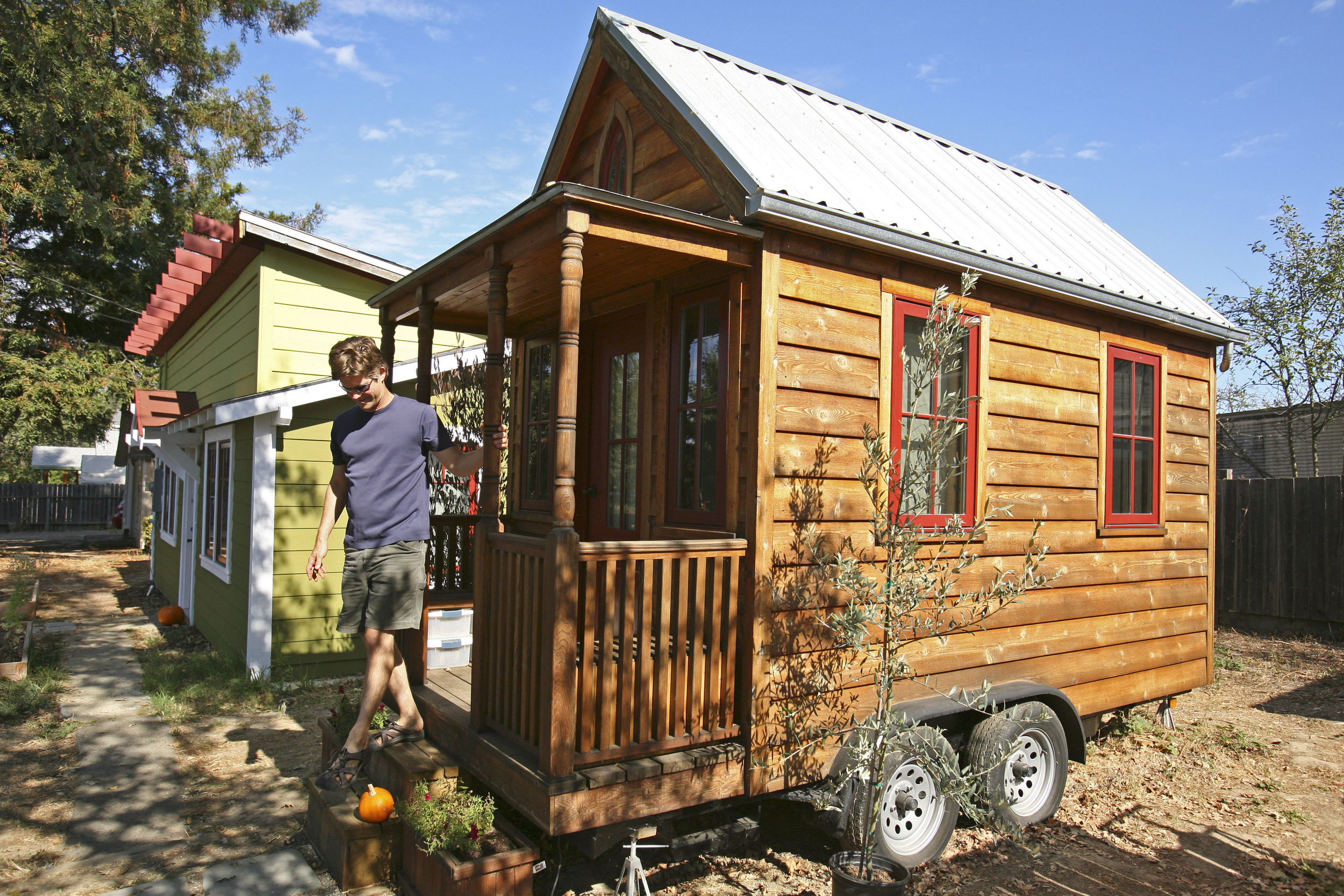
Table of Contents
Understanding Tiny House Society
The Origins of the Tiny House Movement
Why Tiny House Society Appeals to Modern Living
Financial Freedom and Tiny Living
Sustainability and Environmental Impact
Design, Functionality, and Smart Space Use
Legal, Zoning, and Practical Challenges
Community, Culture, and Social Shifts
Personal Background: Who Chooses This Lifestyle and Why
Is Tiny House Society Right for You?
Frequently Asked Questions
Conclusion
Understanding Tiny House Society

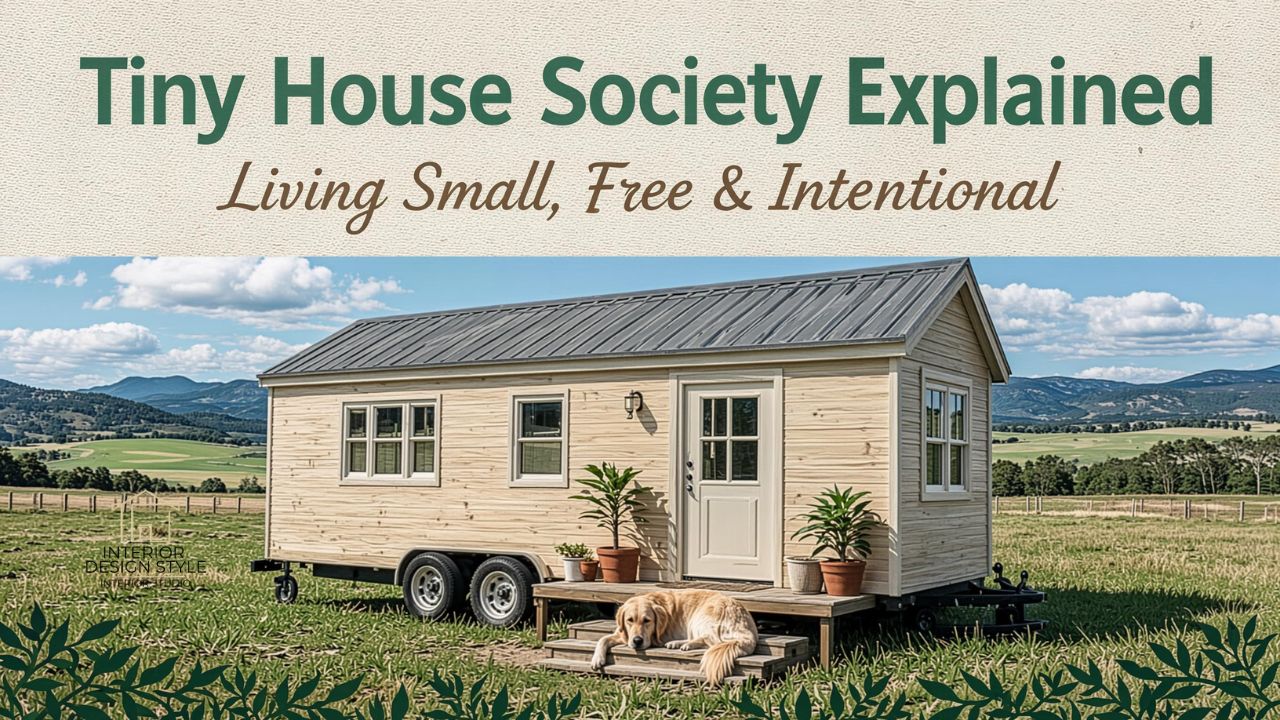
tiny house society refers to a cultural and social shift where individuals intentionally choose to live in significantly smaller homes, usually under 400 square feet. However, focusing only on size misses the bigger picture. This lifestyle emphasizes simplicity, efficiency, and conscious decision-making.
Homeanddesigns.com focuses on interior design inspiration, while Pokemonelectronmagazine.com covers technology-related news and digital trends. Activepropertycaree.com and Activepropertycarebrendan.com are dedicated to property maintenance and property care services. Latestnewsmygreenbucksnet.com delivers finance-related news and updates. Kdarchitectsnet.org highlights architecture concepts and design insights. Robertmygardenandpatio.net shares gardening and outdoor living ideas. Ddecoratoradvice.com provides home decor tips and styling guidance, whereas Interiordesigntrends.org showcases interior trends and modern styles. Tseacoets.com, Tseacoets.org, and Tseacoets.net publish lifestyle, information, and blogging content across multiple topics. Ishowmeat.org focuses on food-related content, Meidastouch.org promotes awareness through informational articles, and Thukuna.com covers technology and digital topics.
What Defines a Tiny House?
A tiny house typically includes:
- Compact but complete living spaces
- Multi-functional furniture
- Efficient storage solutions
- Lower energy and water usage
However, tiny house society also includes people living in converted vans, backyard cottages, container homes, and micro-apartments. The common thread is intention, not architecture.
More Than a Housing Trend
In reality, tiny house society challenges traditional definitions of success. Instead of equating progress with bigger homes and higher mortgages, it values flexibility, mobility, and mental clarity.
The Origins of the Tiny House Movement

The roots of tiny house society stretch back further than most people realize. While the term gained popularity in the early 2000s, its philosophy echoes older traditions of modest living and self-reliance.
Early Influences
- Post-war minimalist architecture
- Environmental movements of the 1970s
- Rising housing costs in urban centers
- Economic uncertainty after the 2008 financial crisis
That said, modern tiny house society truly accelerated when housing affordability declined globally. For many, small homes became not just a preference but a practical solution.
Media and Cultural Momentum
Television, social media, and documentaries amplified the movement, but the real growth came from people who tried it and didn’t want to go back. Stories of reduced stress and increased savings spread faster than any marketing campaign.
Why Tiny House Society Appeals to Modern Living
The appeal of tiny house society lies in its alignment with modern frustrations. People are tired of long commutes, rising rents, and constant financial pressure.
Emotional and Psychological Benefits
Living small often brings:
- Reduced anxiety linked to debt
- Clearer priorities
- Less time spent maintaining possessions
- A stronger sense of autonomy
However, it’s not about sacrifice. Many tiny house dwellers report feeling richer in experiences, relationships, and time.
A Shift in Values
On the other hand, tiny house society reflects a broader cultural pivot. Experiences now matter more than ownership. Flexibility matters more than permanence. This shift explains why younger generations are especially drawn to small living.
Financial Freedom and Tiny Living
One of the strongest drivers behind tiny house society is money. Or more specifically, the desire to stop letting money control life choices.
Cost Comparison Table
| Housing Type | Average Cost | Monthly Expenses |
|---|---|---|
| Traditional Home | $300,000+ | High mortgage, utilities |
| Apartment Rental | $1,500–$3,000/month | Rising rent |
| Tiny House | $20,000–$80,000 | Low utilities |
In reality, tiny house living often removes or drastically reduces mortgages. That single change can alter an entire life trajectory.
Long-Term Financial Impact
People living in tiny homes often:
- Pay off debt faster
- Save aggressively
- Work fewer hours or pursue passion projects
- Retire earlier
That said, financial freedom doesn’t happen automatically. It requires discipline, planning, and honest budgeting.
Sustainability and Environmental Impact
Another reason tiny house society continues to grow is environmental awareness. Smaller spaces naturally consume fewer resources.
Environmental Advantages
- Reduced energy consumption
- Lower carbon footprint
- Less construction waste
- Easier integration of solar and composting systems
In addition, tiny houses encourage mindful consumption. When space is limited, every purchase becomes intentional.
Not Perfect, But Progress
However, tiny living isn’t a magic environmental fix. Materials, transportation, and zoning still matter. Still, compared to traditional housing, the overall footprint is significantly smaller.
Design, Functionality, and Smart Space Use
One of the most fascinating aspects of tiny house society is design innovation. Limited space forces creativity.
Smart Design Features
- Lofted sleeping areas
- Fold-away tables and beds
- Vertical storage systems
- Built-in seating with hidden compartments
In reality, tiny houses often feel larger than expected because every inch serves a purpose.
Function Over Excess
Design within tiny house society prioritizes function without sacrificing comfort. Good design isn’t about luxury finishes but about thoughtful layouts that support daily life.
Legal, Zoning, and Practical Challenges
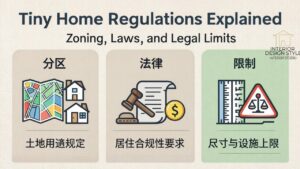
Despite its benefits, tiny house society still faces obstacles. Laws haven’t always caught up with lifestyle changes.
Common Challenges
- Zoning restrictions
- Minimum square footage requirements
- Utility hookups
- Financing limitations
That said, progress is happening. Many regions now recognize tiny homes as accessory dwelling units or allow dedicated communities.
Planning Is Essential
Anyone considering tiny living must research local regulations carefully. Flexibility and patience are often required during the transition.
Community, Culture, and Social Shifts
Interestingly, tiny house society isn’t isolating. In many cases, it fosters stronger community bonds.
Shared Values
Tiny house communities often emphasize:
- Mutual support
- Skill sharing
- Resource pooling
- Social connection
In reality, living smaller often encourages living closer, emotionally and socially.
Redefining Success
Culturally, tiny house society pushes back against consumerism. Success becomes about quality of life rather than visible wealth.
Personal Background: Who Chooses This Lifestyle and Why
Unlike common stereotypes, tiny house society attracts a wide range of people.
Common Profiles
- Young professionals escaping rent cycles
- Families seeking simplicity
- Retirees downsizing intentionally
- Entrepreneurs prioritizing flexibility
Career and Financial Outcomes
Many tiny house dwellers report improved career satisfaction. With lower expenses, they can:
- Start businesses
- Freelance or work remotely
- Pursue creative careers
Estimated net worth often improves not because of higher income, but because of reduced liabilities and smarter financial habits.
Is Tiny House Society Right for You?
This lifestyle isn’t for everyone, and that’s okay. The key is honesty.
Questions to Ask Yourself
- Do I value freedom over space?
- Can I let go of excess possessions?
- Am I comfortable with unconventional living?
- Do I enjoy problem-solving and adaptability?
In reality, tiny house society works best for those who see limitations as design challenges rather than obstacles.
Frequently Asked Questions
What is tiny house society?
Tiny house society is a lifestyle movement focused on intentional living in smaller homes to reduce costs, environmental impact, and stress.
How small is a tiny house?
Most tiny homes range between 100 and 400 square feet, though definitions vary by region.
Is tiny house living legal everywhere?
No, legality depends on local zoning laws and building codes, which vary widely.
How much does a tiny house cost?
Costs typically range from $20,000 to $80,000 depending on materials, size, and features.
Can families live in tiny houses?
Yes, many families successfully live in tiny homes with smart layouts and clear routines.
Does tiny living feel cramped?
Initially it can, but thoughtful design and minimalism often make spaces feel surprisingly comfortable.
Are tiny houses environmentally friendly?
Generally yes, due to lower energy use and reduced material consumption.
Can you build equity with a tiny house?
It depends. While resale markets vary, the lack of debt often offsets equity concerns.
Conclusion
Tiny house society isn’t about rejecting comfort or progress. It’s about redefining them. In a world that constantly demands more, this movement quietly asks, “What if enough is actually enough?”
For many, living small opens doors to bigger lives. More time, more freedom, more intention. That said, tiny living isn’t a universal solution. It’s a personal choice rooted in values, not trends.
Ultimately, tiny house society matters because it reminds us that homes are meant to support life, not consume it.